


adn or bsn required
certification optional
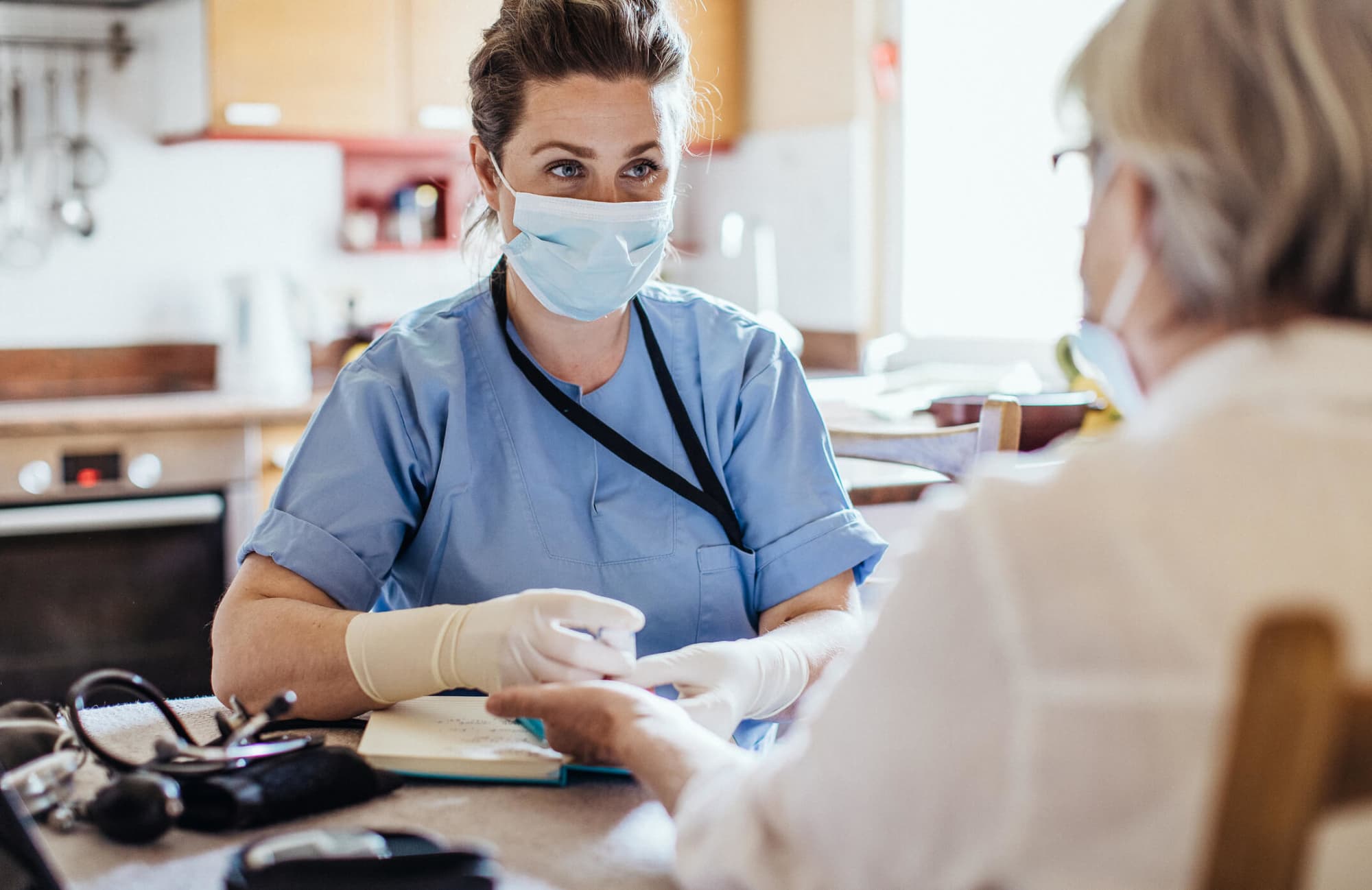
[hen-ui-text variant=”b4″]Community health nurses must be adaptable since they work in various communities outside of the [hen-ui-link href=”/articles/top-community-health-nursing-jobs/”]traditional hospital setting[/hen-ui-link]. They may, for instance, conduct blood pressure tests in a shopping mall, provide emergency planning in a church, or pass out sex education materials on a college campus. They also coordinate with healthcare teams. Below lists some common responsibilities for community health nurses:[/hen-ui-text][hen-ui-heading variant=”h3″]Key Responsibilities[/hen-ui-heading]
[hen-ui-list variant=”unordered” bullet-style=”bullet”] [hen-ui-list-item][hen-ui-text variant=”b4″]Community advocacy and organizer[/hen-ui-text][/hen-ui-list-item] [hen-ui-list-item][hen-ui-text variant=”b4″]Assessments, interventions, and evaluations[/hen-ui-text][/hen-ui-list-item] [hen-ui-list-item][hen-ui-text variant=”b4″]Agency referrals[/hen-ui-text][/hen-ui-list-item] [hen-ui-list-item][hen-ui-text variant=”b4″]Health promotion; nutrition, wellness, and disease prevention[/hen-ui-text][/hen-ui-list-item] [hen-ui-list-item][hen-ui-text variant=”b4″]Health screenings[/hen-ui-text][/hen-ui-list-item] [hen-ui-list-item][hen-ui-text variant=”b4″]Family planning education[/hen-ui-text][/hen-ui-list-item][/hen-ui-list]
[hen-ui-heading variant=”h3″]Career Traits[/hen-ui-heading][hen-ui-list variant=”unordered” bullet-style=”bullet”] [hen-ui-list-item][hen-ui-text variant=”b4″]Empathy[/hen-ui-text][/hen-ui-list-item] [hen-ui-list-item][hen-ui-text variant=”b4″]Communication[/hen-ui-text][/hen-ui-list-item] [hen-ui-list-item][hen-ui-text variant=”b4″]Clinical skills[/hen-ui-text][/hen-ui-list-item] [hen-ui-list-item][hen-ui-text variant=”b4″]Community advocacy[/hen-ui-text][/hen-ui-list-item] [hen-ui-list-item][hen-ui-text variant=”b4″]Program organizer[/hen-ui-text][/hen-ui-list-item] [hen-ui-list-item][hen-ui-text variant=”b4″]Case management skills[/hen-ui-text][/hen-ui-list-item] [hen-ui-list-item][hen-ui-text variant=”b4″]Critical thinking[/hen-ui-text][/hen-ui-list-item] [hen-ui-list-item][hen-ui-text variant=”b4″]Adaptability[/hen-ui-text][/hen-ui-list-item][/hen-ui-list]
 [hen-ui-text variant=”b4″ style=”font-size:small; font-style:italic;”]sanjeri / E+ / Getty Images[/hen-ui-text]
[hen-ui-heading variant=”h3″]Advantages to Becoming a Community Health Nurse[/hen-ui-heading][hen-ui-separator /][hen-ui-list variant=”unordered” bullet-style=”bullet”] [hen-ui-list-item][hen-ui-text variant=”b4″]Helping vulnerable communities[/hen-ui-text][/hen-ui-list-item] [hen-ui-list-item][hen-ui-text variant=”b4″]More collaborative nursing care working with clients in a nonhospital setting[/hen-ui-text][/hen-ui-list-item] [hen-ui-list-item][hen-ui-text variant=”b4″]Varied work settings[/hen-ui-text][/hen-ui-list-item] [hen-ui-list-item][hen-ui-text variant=”b4″]Convenient schedule with little to no holiday or weekend hours[/hen-ui-text][/hen-ui-list-item] [hen-ui-list-item][hen-ui-text variant=”b4″]Holistic and more individualized care[/hen-ui-text][/hen-ui-list-item] [hen-ui-list-item][hen-ui-text variant=”b4″]Strong partnership between nurse and client and/or community population[/hen-ui-text][/hen-ui-list-item][/hen-ui-list]
[hen-ui-heading variant=”h3″]Disadvantages to Becoming a Community Health Nurse[/hen-ui-heading][hen-ui-separator /][hen-ui-list variant=”unordered” bullet-style=”bullet”] [hen-ui-list-item][hen-ui-text variant=”b4″]Fewer chances to consult with other healthcare professionals[/hen-ui-text][/hen-ui-list-item] [hen-ui-list-item][hen-ui-text variant=”b4″]Must [hen-ui-link href=”/resources//cultural-competence-in-nursing/”]quickly adapt[/hen-ui-link] to different lifestyles, settings, and cultures[/hen-ui-text][/hen-ui-list-item] [hen-ui-list-item][hen-ui-text variant=”b4″]Must commute to different communities[/hen-ui-text][/hen-ui-list-item] [hen-ui-list-item][hen-ui-text variant=”b4″]More time needed to see improvements on a community-level[/hen-ui-text][/hen-ui-list-item][/hen-ui-list]
[/hen-ui-grid][hen-ui-heading variant=”h2″]How to Become a Community Health Nurse[/hen-ui-heading][hen-ui-heading variant=”h2″]Community Nursing vs. Hospital Nursing[/hen-ui-heading][hen-ui-text variant=”b4″]Community nursing differs from hospital nursing in various ways, such as work/life balance and interaction with patients or clients. Read on for further differences.[/hen-ui-text][hen-ui-grid columns-md=”2″ gap=”md”] [hen-ui-heading variant=”h3″]Community Nursing[/hen-ui-heading][hen-ui-separator /][hen-ui-list variant=”unordered” bullet-style=”bullet”] [hen-ui-list-item][hen-ui-text variant=”b4″]Instead of working in a hospital or clinic, community nurses provide medical care in a client’s personal setting, which can allow for more input from the client or patient.[/hen-ui-text][/hen-ui-list-item] [hen-ui-list-item][hen-ui-text variant=”b4″]Community health nurses’ holistic approach to nursing typically involves more health education.[/hen-ui-text][/hen-ui-list-item] [hen-ui-list-item][hen-ui-text variant=”b4″]While they may get lower pay than hospital nurses, community health nurses usually enjoy a more balanced work/home life.[/hen-ui-text][/hen-ui-list-item][/hen-ui-list]
[hen-ui-heading variant=”h3″]Hospital Nursing[/hen-ui-heading][hen-ui-separator /][hen-ui-list variant=”unordered” bullet-style=”bullet”] [hen-ui-list-item][hen-ui-text variant=”b4″]Relationships with patients can be less collaborative, seeking less input.[/hen-ui-text][/hen-ui-list-item] [hen-ui-list-item][hen-ui-text variant=”b4″]Hospital nurses have the benefit of easily consulting other healthcare professionals in their workplace.[/hen-ui-text][/hen-ui-list-item] [hen-ui-list-item][hen-ui-text variant=”b4″]Hospital settings tend to promote personal accomplishments among staff more than in community health settings.[/hen-ui-text][/hen-ui-list-item] [hen-ui-list-item][hen-ui-text variant=”b4″]At the same time, hospital nursing can be emotionally exhausting compared to community health nursing, leading to higher burnout.[/hen-ui-text][/hen-ui-list-item][/hen-ui-list]
[/hen-ui-grid][hen-ui-heading variant=”h2″]How Much Do Community Health Nurses Make?[/hen-ui-heading][hen-ui-text variant=”b4″]Educational level, experience, work setting, and geographical location all influence salaries for community health nurse jobs, as reflected in community health nurses’ wide salary range. According to PayScale, [hen-ui-link href=”https://www.payscale.com/research/US/Job=Community_Health_Nurse/Hourly_Rate” target=”_blank”]community health nurses[/hen-ui-link] earn on average between $39,000-$84,000 annually.[/hen-ui-text][hen-ui-text variant=”b4″]The national nursing shortage, exacerbated by the pandemic, will continue to fuel a 7% job growth rate through 2029. The U.S. Bureau of Labor Statistics projects employers to add 221,900 RN positions from 2019-2029. On an international scale, an article in British Medical Journal Global Health reports that [hen-ui-link href=”https://gh.bmj.com/content/5/6/e002550″ target=”_blank”]employers need[/hen-ui-link] community health workers, including nurses, especially in poorer countries disproportionately impacted by the coronavirus.[/hen-ui-text][hen-ui-text variant=”b4″]Community health worker programs particularly need nurses trained in preventing and controlling infectious diseases to deliver home-based care to low-income people affected by COVID-19, according to the Centers for Disease Control and Prevention.[/hen-ui-text][hen-ui-article-card title=”Find State-Specific Salary Data” href=”/registered-nursing/” size=”compact” border=”stroke”][/hen-ui-article-card][hen-ui-heading variant=”h2″]Frequently Asked Questions[/hen-ui-heading][hen-ui-separator /][hen-ui-heading variant=”h3″]How long does it take to become a community health nurse?[/hen-ui-heading][hen-ui-text variant=”b4″]Community health nurses spend 4-6 years completing their education and training. At a minimum, they must spend two years earning an associate degree in [hen-ui-link href=”/degrees/bsn/four-year-bsn-degree/”]nursing or four years earning their BSN[/hen-ui-link] degree. But some also complete a two-year master’s in nursing. Employers often prefer community health nurses who have 1-2 years of nursing experience.[/hen-ui-text][hen-ui-heading variant=”h3″]Can community health nurses prescribe medicine?[/hen-ui-heading] [hen-ui-text variant=”b4″]No. Community health nurses do not prescribe medication. To prescribe medication, nurses need to get a [hen-ui-link href=”/nurse-practitioner/how-to-become-a-np/”]nurse practitioner[/hen-ui-link] license. In some states, practitioners can only prescribe medications under a physician’s direction.[/hen-ui-text][hen-ui-heading variant=”h3″]What is the difference between a community health nurse and a public health nurse?[/hen-ui-heading][hen-ui-text variant=”b4″]Both community health nurses and public health nurses educate the public to promote health and wellness. They may work together to develop health education programs. However, [hen-ui-link href=”/careers/public-health-nurse//”]public health nurses[/hen-ui-link] might work more directly with policymakers, whereas community health nurses implement policy on the ground level to help address health disparities.[/hen-ui-text][hen-ui-heading variant=”h3″]What is the role of the community health nurse?[/hen-ui-heading] [hen-ui-text variant=”b4″]Addressing disparities in healthcare remains the key role of community health nurses. They work to create educational campaigns and community health programs such as mass immunizations. Their role also includes distributing healthcare materials, such as masks.[/hen-ui-text][hen-ui-heading variant=”h2″]Resources for Community Health Nurses[/hen-ui-heading][hen-ui-list variant=”unordered” bullet-style=”check”] [hen-ui-list-item][hen-ui-heading variant=”h3″][hen-ui-link href=”https://www.achne.org/aws/ACHNE/pt/sp/home-page” target=”_blank”] Association of Community Health Nursing Educators[/hen-ui-link][/hen-ui-heading] Founded in 1978, the ACHNE focuses on promoting community and public health nursing education and research. Members get access to the membership directory for networking purposes. They can also find lectures and online events through ACHNEs Annual Institute along with a list of public health nurse educational programs.[/hen-ui-list-item] [hen-ui-list-item][hen-ui-heading variant=”h3″] Association of Public Health Nurses[/hen-ui-heading] The APHN, which traces its roots back to 1935 when it began as the Association of State and Territorial Directors of Nursing, now serves about 780 members. Members can find opportunities for continuing education and other professional resources. APHN also offers a network for public health nurses to meet.[/hen-ui-list-item] [hen-ui-list-item][hen-ui-heading variant=”h3″][hen-ui-link href=”https://ihcno.org/” target=”_blank”] International Home Care Nurses Organization[/hen-ui-link][/hen-ui-heading] The IHCNO began in 2009 when Tina Marrelli and Elizabeth Madigan envisioned an international forum for home care nurses. Joining the organization provides the chance to network with home care nurses across the world and access research scholarship grants.[/hen-ui-list-item] [hen-ui-list-item][hen-ui-heading variant=”h3″] Home Healthcare Now[/hen-ui-heading] The Home Healthcare Now journal offers timely and relevant news and information for home healthcare and hospice workers. Readers can also find continuing education opportunities through its partnership with NursingCenter.coms CEConnection to meet certification and license renewal requirements.[/hen-ui-list-item][/hen-ui-list][hen-ui-separator /][hen-ui-heading variant=”h2″]Related Pages[/hen-ui-heading] [hen-ui-article-row variant=”slider” ids=”34163,34169,33961,45829″][/hen-ui-article-row][hen-ui-separator /][hen-ui-heading variant=”h2″]Reviewed by:[/hen-ui-heading][hen-ui-flex direction=”column” gap=”lg”][hen-ui-expert-bio name=”Nicole Galan, RN, MSN” img-src=”https://res.cloudinary.com/highereducation/image/upload/c_fill,g_face,h_200,w_200/c_scale,w_200/e_grayscale/v1599580499/experts/Nicole_Galan.jpg” img-alt=”Nicole Galan, RN, MSN” layout=”horizontal” background=”white” /][hen-ui-text variant=”b4″ slot=”contentRight”]Nicole Galan is a registered nurse who earned a master’s degree in nursing education from Capella University and currently works as a full-time freelance writer. Throughout her nursing career, Galan worked in a general medical/surgical care unit and then in infertility care. She has also worked for over 13 years as a freelance writer specializing in consumer health sites and educational materials for nursing students.[/hen-ui-text] [hen-ui-text variant=”b4″ slot=”contentRight”]Galan is a paid member of our Healthcare Review Partner Network. [hen-ui-link href=”/healthcare-review-partners//”]Learn more about our review partners[/hen-ui-link].[/hen-ui-text][/hen-ui-flex]  [hen-ui-heading variant=”h3″ class=”py-4 my-0 text-center border-b md:pb-8 md:border-none”]You might be interested in[/hen-ui-heading] [hen-ui-article-layout ids=”36820,44511,34044″][/hen-ui-article-layout]