[hen-ui-dynamic-experience placement=”aboveTheFold” /]

 [hen-ui-heading variant=”h2″]Dermatology Nurse Career in Brief[/hen-ui-heading]
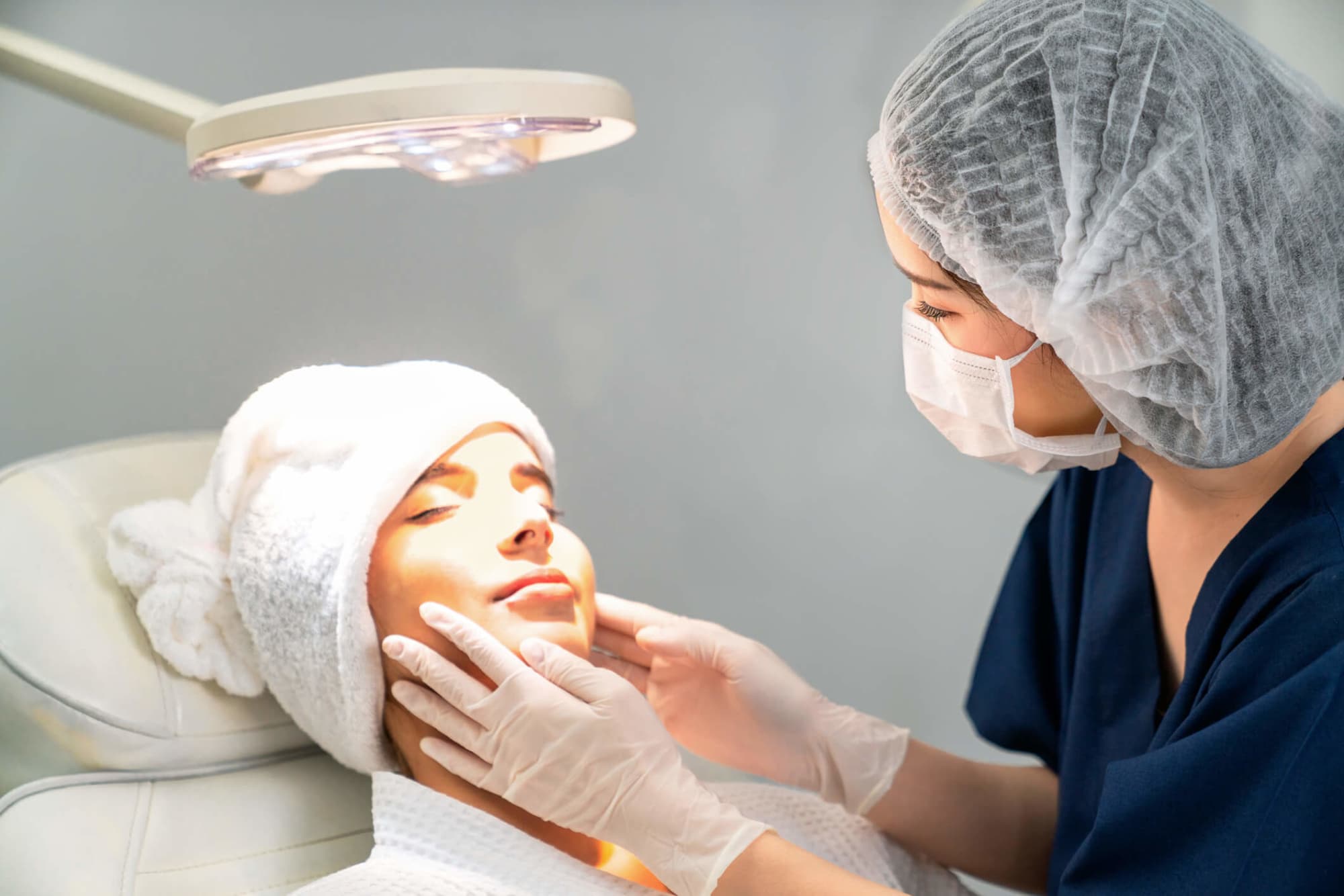 [hen-ui-text variant=”b4″ style=”font-size:small;”]Credit: Cravetiger / Moment / Getty Images[/hen-ui-text][hen-ui-heading variant=”h3″]Certification Option[/hen-ui-heading][hen-ui-list variant=”unordered” bullet-style=”bullet”] [hen-ui-list-item][hen-ui-text variant=”b4″]Dermatology Nurse Certified and Dermatology Certified Nurse Practitioner[/hen-ui-text][/hen-ui-list-item][/hen-ui-list][hen-ui-dynamic-experience placement=”belowTheFold” /][hen-ui-heading variant=”h2″]Where Do Dermatology Nurses Work?[/hen-ui-heading][hen-ui-text variant=”b4″]Most dermatology nurses work in private offices, mainly dermatology or plastic surgeon practices. They can also work in hospital dermatology or burn units.[/hen-ui-text][hen-ui-list variant=”ordered” bullet-style=”check”] [hen-ui-list-item][hen-ui-flex direction=”column” gap=”xxs”] [hen-ui-heading variant=”h4″]Private Offices[/hen-ui-heading] [hen-ui-text variant=”b4″]Dermatology nurses do patient intake, educate on preventative measures, assist dermatologists during procedures, and provide care for patients after procedures.[/hen-ui-text] [/hen-ui-flex][/hen-ui-list-item] [hen-ui-list-item][hen-ui-flex direction=”column” gap=”xxs”] [hen-ui-heading variant=”h4″]Burn Units in Hospitals[/hen-ui-heading] [hen-ui-text variant=”b4″]Dermatology nurses help clean burns and prevent infection, administer treatment under a physician’s or nurse practitioner’s direction, and educate patients and families on care.[/hen-ui-text] [/hen-ui-flex][/hen-ui-list-item] [hen-ui-list-item][hen-ui-flex direction=”column” gap=”xxs”] [hen-ui-heading variant=”h4″]Plastic Surgeons’ Offices[/hen-ui-heading] [hen-ui-text variant=”b4″]Dermatology nurses assist plastic surgeons during procedures, inform patients on post-treatment skincare, remove stitches, and follow up on patient care.[/hen-ui-text] [/hen-ui-flex][/hen-ui-list-item][/hen-ui-list][hen-ui-heading variant=”h2″]Why Become a Dermatology Nurse?[/hen-ui-heading][hen-ui-text variant=”b4″]A dermatology nurse can help improve a patient’s well-being by providing nursing care for patients with skin conditions. Also, some work settings can offer a more predictable work schedule than other [hen-ui-link href=”/articles/best-specialty-career-choices-for-nursing/”]nursing careers[/hen-ui-link]. See below for more pros and cons of becoming a dermatology nurse.[/hen-ui-text]
 [hen-ui-heading variant=”h3″ class=”py-4 my-0 text-center border-b md:pb-8 md:border-none”]You might be interested in[/hen-ui-heading] [hen-ui-article-layout ids=”76218,76212,76202″][/hen-ui-article-layout]
[hen-ui-link href=”/degrees/adn/”]adn[/hen-ui-link] or bsn required
certification optional
[hen-ui-text variant=”b4″]A dermatology nurse works as part of a dermatology team. They perform patient intake, provide patient education on skincare and skin cancer prevention, and complete nursing tasks, like removing stitches after a procedure.[/hen-ui-text][hen-ui-text variant=”b4″]Key dermatology nurse responsibilities include:[/hen-ui-text][hen-ui-heading variant=”h3″]Key Responsibilities[/hen-ui-heading][hen-ui-list variant=”unordered” bullet-style=”bullet”] [hen-ui-list-item][hen-ui-text variant=”b4″]Screening patients for skin cancer[/hen-ui-text][/hen-ui-list-item] [hen-ui-list-item][hen-ui-text variant=”b4″]Collecting skin tissue for biopsies[/hen-ui-text][/hen-ui-list-item] [hen-ui-list-item][hen-ui-text variant=”b4″]Cleaning and dressing wounds or burns[/hen-ui-text][/hen-ui-list-item] [hen-ui-list-item][hen-ui-text variant=”b4″]Educating patients on skincare and preventing postsurgical infection[/hen-ui-text][/hen-ui-list-item] [hen-ui-list-item][hen-ui-text variant=”b4″]Applying skin peels and microdermabrasion[/hen-ui-text][/hen-ui-list-item][/hen-ui-list]
[hen-ui-heading variant=”h3″]Career Traits[/hen-ui-heading][hen-ui-list variant=”unordered” bullet-style=”bullet”] [hen-ui-list-item][hen-ui-text variant=”b4″]Communication[/hen-ui-text][/hen-ui-list-item] [hen-ui-list-item][hen-ui-text variant=”b4″]Teamwork[/hen-ui-text][/hen-ui-list-item] [hen-ui-list-item][hen-ui-text variant=”b4″]Empathy[/hen-ui-text][/hen-ui-list-item] [hen-ui-list-item][hen-ui-text variant=”b4″]Attention to detail[/hen-ui-text][/hen-ui-list-item][/hen-ui-list]
[hen-ui-text variant=”b4″ style=”font-size:small;”]Credit: Cravetiger / Moment / Getty Images[/hen-ui-text][hen-ui-heading variant=”h3″]Advantages to Becoming a Dermatology Nurse[/hen-ui-heading][hen-ui-separator /][hen-ui-list variant=”unordered” bullet-style=”bullet”] [hen-ui-list-item][hen-ui-text variant=”b4″]Dermatology conditions can strongly affect a patient’s self-esteem and life, so dermatology nurses can make a difference in patients’ lives.[/hen-ui-text][/hen-ui-list-item] [hen-ui-list-item][hen-ui-text variant=”b4″]There’s less likelihood of losing a patient, except in severe cases.[/hen-ui-text][/hen-ui-list-item] [hen-ui-list-item][hen-ui-text variant=”b4″]Dermatology nurses work consistent daytime hours in most private practices and dermatology departments.[/hen-ui-text][/hen-ui-list-item] [hen-ui-list-item][hen-ui-text variant=”b4″]Dermatology nurses typically experience fewer emergencies depending on the work setting.[/hen-ui-text][/hen-ui-list-item][/hen-ui-list]
[hen-ui-heading variant=”h3″]Disadvantages to Becoming a Dermatology Nurse[/hen-ui-heading][hen-ui-separator /][hen-ui-list variant=”unordered” bullet-style=”bullet”] [hen-ui-list-item][hen-ui-text variant=”b4″]Burn units or plastic surgery departments can be more stressful than other work environments.[/hen-ui-text][/hen-ui-list-item] [hen-ui-list-item][hen-ui-text variant=”b4″]Nurses looking for a high-adrenaline workplace won’t find it in most dermatology nurse positions.[/hen-ui-text][/hen-ui-list-item] [hen-ui-list-item][hen-ui-text variant=”b4″]Some dermatology patients hold unrealistic expectations that can make patient education challenging.[/hen-ui-text][/hen-ui-list-item] [hen-ui-list-item][hen-ui-text variant=”b4″]There are fewer opportunities to perform life-saving measures (except for patients with skin cancer or severe burns).[/hen-ui-text][/hen-ui-list-item][/hen-ui-list]
[hen-ui-heading variant=”h2″]How to Become a Dermatology Nurse[/hen-ui-heading][hen-ui-text variant=”b4″]Dermatology nurses must first become a registered nurse (RN), and then gain experience in a dermatology setting. While certification isn’t legally required to practice as a dermatology nurse, many employers prefer or require it.[/hen-ui-text][hen-ui-article-card title=”Become a Dermatology Nurse” href=”/careers/dermatology-nurse/” size=”compact” border=”stroke”][/hen-ui-article-card][hen-ui-heading variant=”h2″]How Much Do Dermatology Nurses Make?[/hen-ui-heading][hen-ui-text variant=”b4″]According to ZipRecruiter July 2021 figures, the average dermatology nurse salary of $80,860 is higher than the median nurse salary of $75,330. RNs, including dermatology nurses, are in demand everywhere, with a 7% growth rate over the next decade as per BLS data. As the population ages and skin cancer becomes more common among older adults, dermatology nurses remain in demand.[/hen-ui-text][hen-ui-text variant=”b4″]As with other nursing jobs, dermatology nurse salaries are highest in areas with a greater cost of living and demand. The top-paying states for dermatology nurses include [hen-ui-link href=”https://nursejournal.org/state/california/”]California[/hen-ui-link], Alaska, and Washington. Among the top-paying cities, seven are in California, according to ZipRecruiter.[/hen-ui-text][hen-ui-text variant=”b4″]Nurses interested in a higher income might consider becoming a dermatology nurse practitioner, as ZipRecruiter reports they earn an average $100,560 annually as of July 2021.[/hen-ui-text][hen-ui-heading variant=”h3″]Learn More About Dermatology Nurse Salaries[/hen-ui-heading][hen-ui-article-card title=”Dermatology Nurse Salaries” href=”/careers/dermatology-nurse/salary/” size=”compact” border=”stroke”][/hen-ui-article-card][hen-ui-heading variant=”h2″]Frequently Asked Questions About Dermatology Nurses[/hen-ui-heading][hen-ui-separator /][hen-ui-heading variant=”h3″]What does a dermatologist nurse do?[/hen-ui-heading][hen-ui-text variant=”b4″]A dermatology nurse provides care for patients in dermatology or cosmetic surgery offices or departments, burn units, and other dermatology settings. Most work in private outpatient settings, while others work in hospital inpatient (for example, burn units or injury care) or outpatient departments.[/hen-ui-text][hen-ui-heading variant=”h3″]How do I become a certified dermatology nurse?[/hen-ui-heading][hen-ui-text variant=”b4″]A certified dermatology nurse needs an RN license and at least two years of experience and 2,000 hours working in dermatology. They must also submit an application and pass the board examination, which has 175 multiple-choice questions.[/hen-ui-text][hen-ui-heading variant=”h3″]What is it like to be a dermatology nurse?[/hen-ui-heading][hen-ui-text variant=”b4″]Most dermatology nurses work predictable daytime hours, with occasional evening and weekend requirements. There are relatively few dermatology emergencies in private practices, and being an outpatient dermatology nurse can offer a less stressful working environment than most other nursing positions.[/hen-ui-text][hen-ui-heading variant=”h3″]How much do cosmetic nurses earn?[/hen-ui-heading][hen-ui-text variant=”b4″]Cosmetic nurses can earn an average of $89,980 annually, according to ZipRecruiter as of July 2021. The highest-paying jobs for cosmetic nurses are in California, Alaska, and Virginia. Since much of the daily tasks overlap, transitioning to a cosmetic nurse position from work as a dermatology nurse is relatively easy compared to other nursing specialties.[/hen-ui-text][hen-ui-separator /][hen-ui-heading variant=”h2″]Related Pages[/hen-ui-heading] [hen-ui-article-row variant=”slider” ids=”49852,41460,34306,45650″][/hen-ui-article-row][hen-ui-separator /] [hen-ui-heading variant=”h3″ class=”py-4 my-0 text-center border-b md:pb-8 md:border-none”]You might be interested in[/hen-ui-heading] [hen-ui-article-layout ids=”76218,76212,76202″][/hen-ui-article-layout]