[hen-ui-dynamic-experience placement=”aboveTheFold” /]

 [hen-ui-text variant=”b4″]HIV/AIDS nurses understand — like no other healthcare professional — the unique needs and challenges faced by people living with HIV/AIDS. The need for HIV/AIDS nurses will only surge as more than half of patients living with HIV/AIDS will be 70 years or older by 2030 and may struggle with multiple comorbidities.[/hen-ui-text][hen-ui-text variant=”b4″]This HIV nursing guide explains [hen-ui-link href=”/careers/hiv-aids-nurse/”]how to become an HIV/AIDS nurse[/hen-ui-link], what they make, and what they do.[/hen-ui-text][hen-ui-heading variant=”h2″]What Does an HIV/AIDS Nurse Do?[/hen-ui-heading]
 [hen-ui-text variant=”b4″ style=”font-size:small;”]Credit: mixetto / E+ / Getty Images Plus / Getty Images[/hen-ui-text][/hen-ui-grid]
 [hen-ui-heading variant=”h3″ class=”py-4 my-0 text-center border-b md:pb-8 md:border-none”]You might be interested in[/hen-ui-heading] [hen-ui-article-layout ids=”76218,76212,76202″][/hen-ui-article-layout]
ADN or BSN required
certification optional
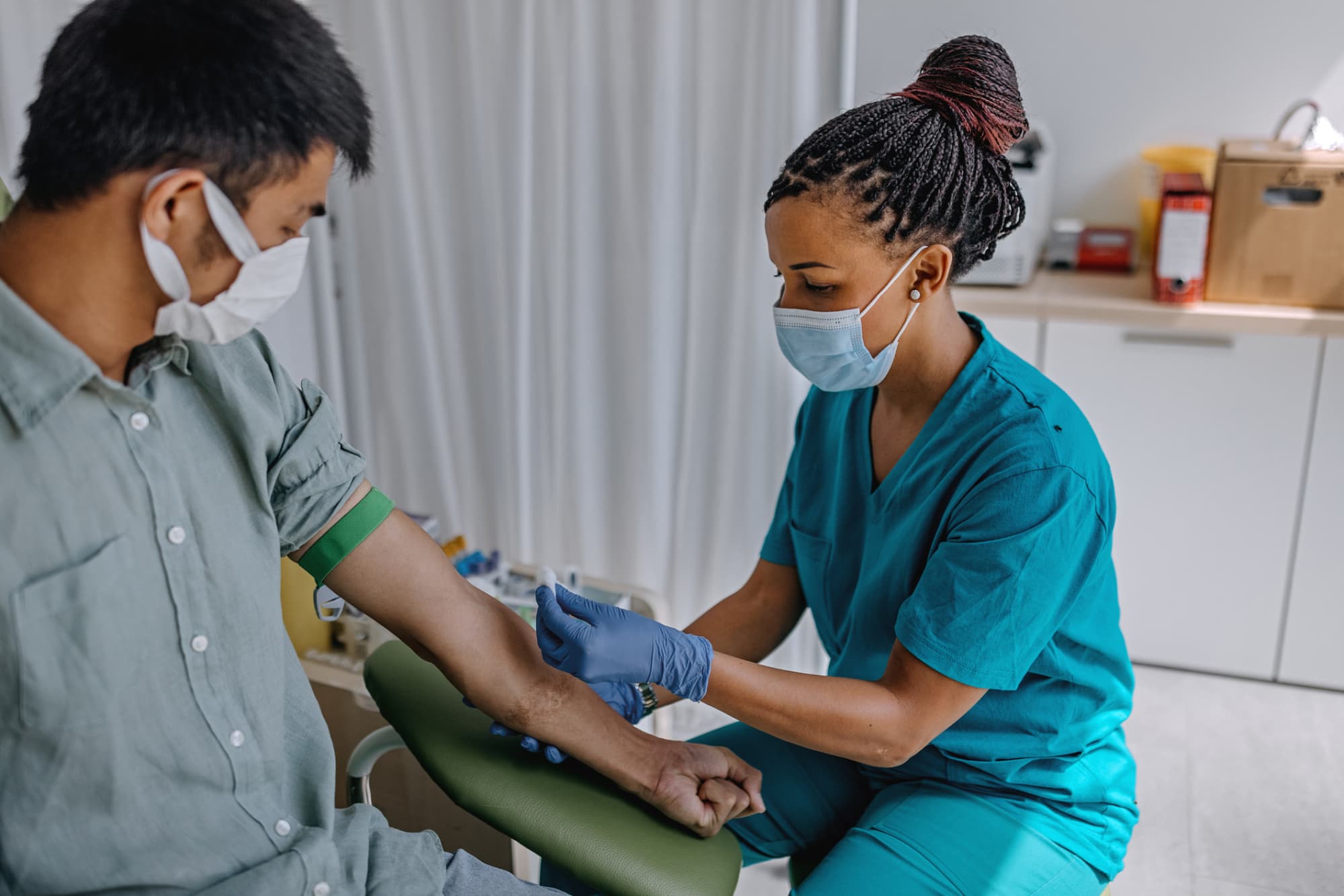
[hen-ui-text variant=”b4″]HIV/AIDS nurses hold [hen-ui-link href=”/registered-nursing/”]registered nurse (RN)[/hen-ui-link] licenses and often certifications to care for people living with infectious diseases and HIV/AIDS. This position provides long-term care to improve the lives of patients. Healthcare workers in HIV nursing often see the same patients from the time of diagnosis.[/hen-ui-text][hen-ui-text variant=”b4″]Education serves as a major focus for HIV/AIDS nurses who teach patients about treatment options. Nurses in this specialty work with physicians, [hen-ui-link href=”/nurse-practitioner/”]nurse practitioners[/hen-ui-link], case managers, and specialists to develop healthcare plans and deliver treatments. HIV/AIDS nurses also help patients who may encounter barriers to accessing treatments.[/hen-ui-text][hen-ui-grid columns-md=”3″ gap=”md”] [hen-ui-heading variant=”h3″]Primary Responsibilities[/hen-ui-heading][hen-ui-list variant=”unordered” bullet-style=”bullet”] [hen-ui-list-item][hen-ui-text variant=”b4″]Conduct physical exams and document medical information[/hen-ui-text][/hen-ui-list-item] [hen-ui-list-item][hen-ui-text variant=”b4″]Perform complete blood count testing, screen for sexually transmitted diseases, and check viral loads[/hen-ui-text][/hen-ui-list-item] [hen-ui-list-item][hen-ui-text variant=”b4″]Coordinate evidence-based care and report to state labs[/hen-ui-text][/hen-ui-list-item] [hen-ui-list-item][hen-ui-text variant=”b4″]Provide education about lifestyle risks and behavioral changes[/hen-ui-text][/hen-ui-list-item] [hen-ui-list-item][hen-ui-text variant=”b4″]Record patient progress and assess emotional and social needs[/hen-ui-text][/hen-ui-list-item] [hen-ui-list-item][hen-ui-text variant=”b4″]Work with physicians, social workers, case managers, and behavioral health specialists[/hen-ui-text][/hen-ui-list-item] [hen-ui-list-item][hen-ui-text variant=”b4″]Practice and support [hen-ui-link href=”/resources//cultural-competence-in-nursing/”]culturally competent care in nursing[/hen-ui-link][/hen-ui-text][/hen-ui-list-item][/hen-ui-list]
[hen-ui-heading variant=”h3″]Career Traits[/hen-ui-heading][hen-ui-list variant=”unordered” bullet-style=”bullet”] [hen-ui-list-item][hen-ui-text variant=”b4″]Caring[/hen-ui-text][/hen-ui-list-item] [hen-ui-list-item][hen-ui-text variant=”b4″]Empathetic[/hen-ui-text][/hen-ui-list-item] [hen-ui-list-item][hen-ui-text variant=”b4″]Team player[/hen-ui-text][/hen-ui-list-item] [hen-ui-list-item][hen-ui-text variant=”b4″]Knowledgeable about HIV/AIDS[/hen-ui-text][/hen-ui-list-item][/hen-ui-list]
[hen-ui-text variant=”b4″ style=”font-size:small;”]Credit: mixetto / E+ / Getty Images Plus / Getty Images[/hen-ui-text][hen-ui-text variant=”b4″ tag=”em”]Certification Option: HIV/AIDS Certified Registered Nurse[/hen-ui-text]
[hen-ui-heading variant=”h2″]Where Do HIV/AIDS Nurses Work?[/hen-ui-heading][hen-ui-text variant=”b4″]People living with HIV/AIDS use prevention and treatment services at various facilities. Drug and alcohol treatment centers, medical clinics, community health centers, and state agencies hire HIV/AIDS nurses to deliver care, educate nurses and the public, and conduct clinical research.[/hen-ui-text][hen-ui-grid columns-md=”3″ gap=”md”] [hen-ui-heading variant=”h3″]Clinics[/hen-ui-heading][hen-ui-text variant=”b4″]HIV/AIDS nurses work at family health centers, alcohol treatment centers, and women’s and men’s health clinics. HIV/AIDS nurses focus on long-term acute care and preventative treatment of at-risk individuals. They also provide telephone triage, arrange lab work, administer medications, and provide education outreach.[/hen-ui-text]
[hen-ui-heading variant=”h3″]Medical Research Center[/hen-ui-heading][hen-ui-text variant=”b4″]Research colleges around the country need RNs with clinical and research experience. Nurses provide direct patient care and education, which could include identifying study subjects, taking medical histories, processing specimens, and following ethical research protocols.[/hen-ui-text]
[hen-ui-heading variant=”h3″]Long-Term Health Facility[/hen-ui-heading][hen-ui-text variant=”b4″]Nurses who work at long-term health facilities often provide in-home and on-site healthcare visits. They track patients to prevent emergency room visits and work on teams to help patients improve their quality of life.[/hen-ui-text]
[/hen-ui-grid][hen-ui-dynamic-experience placement=”belowTheFold” /][hen-ui-heading variant=”h2″]Why Become an HIV/AIDS Nurse?[/hen-ui-heading][hen-ui-text variant=”b4″]The job has its benefits and drawbacks. Pursuing a career in HIV nursing offers a chance to treat culturally diverse patient populations in multidisciplinary settings. Working in HIV nursing requires emotional and physical strength to work with patients who often have acute care needs. Nurses provide counseling to patients and help them find social support.[/hen-ui-text][hen-ui-text variant=”b4″]Below are additional advantages and disadvantages of HIV nursing.[/hen-ui-text][hen-ui-heading variant=”h3″]Advantages to Becoming an HIV/AIDS Nurse[/hen-ui-heading][hen-ui-separator /][hen-ui-list variant=”unordered” bullet-style=”bullet”] [hen-ui-list-item][hen-ui-text variant=”b4″]Form long-term relationships and build trust[/hen-ui-text][/hen-ui-list-item] [hen-ui-list-item][hen-ui-text variant=”b4″]Collaborate with other healthcare professionals[/hen-ui-text][/hen-ui-list-item] [hen-ui-list-item][hen-ui-text variant=”b4″]Use data to improve nursing care and patient outcomes[/hen-ui-text][/hen-ui-list-item] [hen-ui-list-item][hen-ui-text variant=”b4″]Improve quality of life for people living with HIV/AIDs[/hen-ui-text][/hen-ui-list-item][/hen-ui-list]
[hen-ui-heading variant=”h3″]Disadvantages to Becoming an HIV/AIDS Nurse[/hen-ui-heading][hen-ui-separator /][hen-ui-list variant=”unordered” bullet-style=”bullet”] [hen-ui-list-item][hen-ui-text variant=”b4″]Requires sitting and standing for extensive periods of time[/hen-ui-text][/hen-ui-list-item] [hen-ui-list-item][hen-ui-text variant=”b4″]Can be emotionally and physically exhausting; patients may pass away[/hen-ui-text][/hen-ui-list-item] [hen-ui-list-item][hen-ui-text variant=”b4″]Must be able to handle large caseloads[/hen-ui-text][/hen-ui-list-item] [hen-ui-list-item][hen-ui-text variant=”b4″]Must treat patients with complicated nursing needs[/hen-ui-text][/hen-ui-list-item][/hen-ui-list]
[hen-ui-heading variant=”h2″]How to Become an HIV/AIDS Nurse[/hen-ui-heading][hen-ui-text variant=”b4″]It takes years to secure a position in HIV nursing. Earning a college education serves as the first step toward becoming an HIV/AIDS nurse. That said, every nurse’s journey looks different.[/hen-ui-text][hen-ui-heading variant=”h3″]Learn More About How To Become an HIV/AIDS Nurse[/hen-ui-heading][hen-ui-article-card title=”Become an HIV/AIDS Nurse” href=”/careers/hiv-aids-nurse/” size=”compact” border=”stroke”][/hen-ui-article-card][hen-ui-heading variant=”h2″]What Is the Average Salary for HIV/AIDS Nurses?[/hen-ui-heading][hen-ui-text variant=”b4″]Salaries for HIV/AIDS nurses compare to those for RNs. According to the U.S. Bureau of Labor Statistics (BLS), RNs earn a mean annual wage of $80,010. They can earn more in industries such as business support services, which pay RNs an annual mean salary of $106,670, or pharmaceutical manufacturing, where RNs make a mean annual wage of $92,110.[/hen-ui-text][hen-ui-text variant=”b4″]In states such as California, Hawaii, and Massachusetts —the top-paying states in the country — RNs respectively earn annual mean wages between $120,560-$96,250. With a graduate degree, nurses can become an advanced HIV/AIDS certified registered nurse (AACRN) and potentially increase their salary.[/hen-ui-text][hen-ui-text variant=”b4″]HIV nursing jobs, as projected for all RNs, should increase over the next decade. Jobs for RNs will grow by 9% from 2020-2030 as the industry adds some 194,500 positions every year.[/hen-ui-text][hen-ui-text variant=”b4″]Demand for this role may increase as people living with HIV/AIDS grow older and experience more complicated healthcare needs. As of 2020, [hen-ui-link href=”https://www.nursesinaidscare.org/i4a/pages/index.cfm?pageid=4828″ target=”_blank”]50% of people [/hen-ui-link]with HIV/AIDS are 50 years or older.[/hen-ui-text][hen-ui-article-card title=”HIV/AIDS Salary” href=”/careers/hiv-aids-nurse/” size=”compact” border=”stroke”][/hen-ui-article-card][hen-ui-heading variant=”h2″]Frequently Asked Questions About HIV/AIDS Nurses[/hen-ui-heading][hen-ui-separator /][hen-ui-heading variant=”h3″]Is certification required to become an HIV/AIDS nurse?[/hen-ui-heading][hen-ui-text variant=”b4″]No. Employers rarely require certification for entry-level HIV nursing positions. However, certain managerial positions, such as clinical nurse case managers, nurse supervisors, and site directors, require certification in HIV nursing. These upper-level management positions also require prior work experience in infectious diseases and HIV/AIDS.[/hen-ui-text][hen-ui-heading variant=”h3″]How long does it take to become an HIV/AIDS nurse?[/hen-ui-heading][hen-ui-text variant=”b4″]It could take 2-4 years to become an RN. Launching a career in HIV nursing takes an additional two years of work experience for those who want to earn an ACRN certification. Nurses who wish to earn AACRN certification require a minimum of three years of HIV/AIDS nursing experience, 2,000 hours, and a master’s degree or higher. How long it takes to become an HIV/AIDS nurse depends on the type of degree the nurse pursues.[/hen-ui-text][hen-ui-heading variant=”h3″]What qualities are important for HIV/AIDS nurses?[/hen-ui-heading][hen-ui-text variant=”b4″]HIV nursing requires empathy, patience, cultural competence, and the ability to connect with patients who may lack social support networks because of the stigma of the disease. These nurses need to perform a wide variety of duties and communicate clearly to a team of specialists.[/hen-ui-text][hen-ui-text variant=”b4″]HIV/AIDS nurses work intimately long-term with patients and must be comfortable with acutely ill patients.[/hen-ui-text][hen-ui-heading variant=”h3″]How can nurses gain experience in HIV/AIDS nursing?[/hen-ui-heading][hen-ui-text variant=”b4″]Clinics, outpatient centers, and medical centers hire RNs. While in nursing school, future HIV/AIDS nurses can gain experience in the field [hen-ui-link href=”/resources//nursing-internships-and-practicums/”]through practicum experiences[/hen-ui-link]. Colleges maintain relationships with local facilities that train students under the supervision of experienced staff.[/hen-ui-text][hen-ui-separator /][hen-ui-heading variant=”h2″]Related Pages[/hen-ui-heading] [hen-ui-article-row variant=”slider” ids=”36820,43785,46310″][/hen-ui-article-row][hen-ui-separator /][hen-ui-heading variant=”h2″]Reviewed by:[/hen-ui-heading][hen-ui-flex direction=”column” gap=”lg”][hen-ui-expert-bio name=”Anna-Lise Krippeahne, DNP, FNP-BC” img-src=”https://res.cloudinary.com/highereducation/image/upload/e_grayscale/v1599604221/experts/Anna-Lise_Krippaehne.jpg” img-alt=”Anna-Lise Krippeahne, DNP, FNP-BC” layout=”horizontal” background=”white” /][hen-ui-text variant=”b4″]Anna-Lise Krippaehne has been a nurse for over 10 years, working in acute care before pursuing her doctor of nursing practice. Her interests include preventive care, health promotion, and quality improvement. She currently works in palliative care in Northern California, where she is passionate in providing patient-centered and holistic care to all she serves.[/hen-ui-text][hen-ui-text variant=”b4″ tag=”em”]Page last reviewed February 23, 2022[/hen-ui-text][/hen-ui-flex] [hen-ui-heading variant=”h3″ class=”py-4 my-0 text-center border-b md:pb-8 md:border-none”]You might be interested in[/hen-ui-heading] [hen-ui-article-layout ids=”76218,76212,76202″][/hen-ui-article-layout]