[hen-ui-dynamic-experience placement=”aboveTheFold” /]

 [hen-ui-heading variant=”h2″]What Does an Oncology Nurse Do?[/hen-ui-heading]
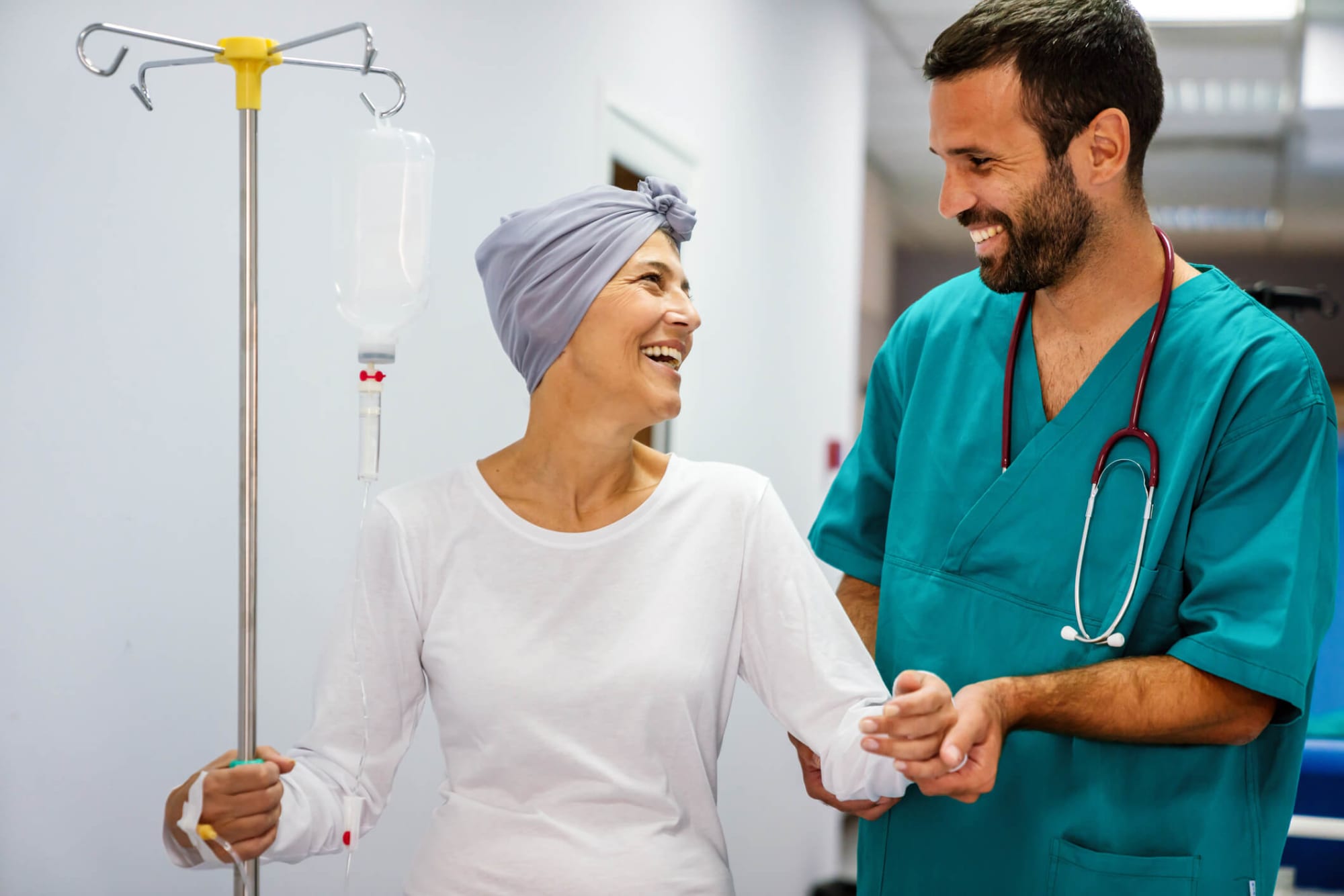 [hen-ui-text variant=”b4″ style=”font-size:small; font-style:italic;”]Image Credit: nd3000 / iStock / Getty Images Plus[/hen-ui-text][hen-ui-heading variant=”h2″]Where Do Oncology Nurses Work?[/hen-ui-heading][hen-ui-text variant=”b4″]Oncology nurses primarily work in hospitals, standalone cancer treatment facilities, hospice care facilities, and physician’s practices.[/hen-ui-text][hen-ui-heading variant=”h3″]Hospitals[/hen-ui-heading][hen-ui-text variant=”b4″]Oncology nurses in hospitals work with inpatients and outpatients, assist with treatments and operations, and monitor patient progress.[/hen-ui-text][hen-ui-heading variant=”h3″]Standalone Facilities[/hen-ui-heading][hen-ui-text variant=”b4″]In standalone facilities, these nurses facilitate communications and update health records with primary care providers, educate patients and families, and prepare patients for discharge.[/hen-ui-text][hen-ui-heading variant=”h3″]Hospice Care[/hen-ui-heading][hen-ui-text variant=”b4″]Oncology nurses working in hospice care facilities assist terminal patients, administer palliative treatments, and support patients psychologically.[/hen-ui-text][hen-ui-dynamic-experience placement=”belowTheFold” /][hen-ui-heading variant=”h2″]Why Become an Oncology Nurse?[/hen-ui-heading][hen-ui-text variant=”b4″]Oncology nurse jobs can be both emotionally rewarding and stressful, especially for pediatric oncology nurses. However, as cancer care continues to improve, oncology nursing presents more rewarding opportunities for employment. Salaries for these nurses typically rank above national averages.[/hen-ui-text]
 [hen-ui-heading variant=”h3″ class=”py-4 my-0 text-center border-b md:pb-8 md:border-none”]You might be interested in[/hen-ui-heading] [hen-ui-article-layout ids=”36820,44511,34044″][/hen-ui-article-layout]
ADN or BSN required
certification optional
[hen-ui-text variant=”b4″][hen-ui-link href=”/careers/oncology-nurse/how-to-become/”]Oncology nurse[/hen-ui-link] jobs involve caring for patients as part of a team led by oncologist physicians or nurse practitioners (NPs). They may also supervise nursing assistants. Key skills and responsibilities for oncology nurses include:[/hen-ui-text][hen-ui-heading variant=”h3″]Primary Responsibilities[/hen-ui-heading][hen-ui-list variant=”unordered” bullet-style=”bullet”] [hen-ui-list-item][hen-ui-text variant=”b4″]Monitoring patient progress and updating patient records[/hen-ui-text][/hen-ui-list-item] [hen-ui-list-item][hen-ui-text variant=”b4″]Administering treatment prescribed by physicians and NPs[/hen-ui-text][/hen-ui-list-item] [hen-ui-list-item][hen-ui-text variant=”b4″]Educating patients on treatment and preventing recurrence[/hen-ui-text][/hen-ui-list-item] [hen-ui-list-item][hen-ui-text variant=”b4″]Facilitating patient-physician communication[/hen-ui-text][/hen-ui-list-item] [hen-ui-list-item][hen-ui-text variant=”b4″]Providing emotional and psychological support to patients and families[/hen-ui-text][/hen-ui-list-item][/hen-ui-list]
[hen-ui-heading variant=”h3″]Key Skills[/hen-ui-heading][hen-ui-list variant=”unordered” bullet-style=”bullet”] [hen-ui-list-item][hen-ui-text variant=”b4″]Empathy[/hen-ui-text][/hen-ui-list-item] [hen-ui-list-item][hen-ui-text variant=”b4″]Communication[/hen-ui-text][/hen-ui-list-item] [hen-ui-list-item][hen-ui-text variant=”b4″]Collaboration[/hen-ui-text][/hen-ui-list-item] [hen-ui-list-item][hen-ui-text variant=”b4″]Continual learning[/hen-ui-text][/hen-ui-list-item][/hen-ui-list]
[hen-ui-text variant=”b4″ style=”font-size:small; font-style:italic;”]Image Credit: nd3000 / iStock / Getty Images Plus[/hen-ui-text][hen-ui-heading variant=”h3″]Advantages to Becoming an Oncology Nurse[/hen-ui-heading][hen-ui-separator /][hen-ui-list variant=”unordered” bullet-style=”bullet”] [hen-ui-list-item][hen-ui-text variant=”b4″]Ability to help patients and their families when they need it most[/hen-ui-text][/hen-ui-list-item] [hen-ui-list-item][hen-ui-text variant=”b4″]High level of trust and respect in communities[/hen-ui-text][/hen-ui-list-item] [hen-ui-list-item][hen-ui-text variant=”b4″]Salaries well above the national average[/hen-ui-text][/hen-ui-list-item][/hen-ui-list]
[hen-ui-heading variant=”h3″]Disadvantages to Becoming an Oncology Nurse[/hen-ui-heading][hen-ui-separator /][hen-ui-list variant=”unordered” bullet-style=”bullet”] [hen-ui-list-item][hen-ui-text variant=”b4″]Can be emotionally stressful[/hen-ui-text][/hen-ui-list-item] [hen-ui-list-item][hen-ui-text variant=”b4″]May be blamed by families for negative outcomes[/hen-ui-text][/hen-ui-list-item] [hen-ui-list-item][hen-ui-text variant=”b4″]High burnout risk[/hen-ui-text][/hen-ui-list-item][/hen-ui-list]
[hen-ui-heading variant=”h2″]How to Become an Oncology Nurse[/hen-ui-heading][hen-ui-heading variant=”h2″]Concentrations and Certifications[/hen-ui-heading][hen-ui-separator /][hen-ui-heading variant=”h3″]Pediatric Oncology Nurse[/hen-ui-heading][hen-ui-text variant=”b4″]Certified pediatric oncology nurses care for children and adolescents who have cancer. They also provide treatment and emotional support for patients and families.[/hen-ui-text][hen-ui-heading variant=”h3″]Pediatric Hematology Oncology Nurse[/hen-ui-heading][hen-ui-text variant=”b4″]Pediatric hematology oncology nurses specialize in treating children with leukemia and other cancers that affect the blood. They often administer chemotherapy.[/hen-ui-text][hen-ui-heading variant=”h3″]Breast Care Nurse[/hen-ui-heading][hen-ui-text variant=”b4″]Breast care nurses support patients during breast cancer treatment and help to educate them on preventing recurrences.[/hen-ui-text][hen-ui-heading variant=”h3″]Blood and Marrow Transplant Nurse[/hen-ui-heading][hen-ui-text variant=”b4″]Blood and marrow transplant nurses help patients prepare for transplants, administer transplants, monitor progress, and educate patients on their ongoing needs.[/hen-ui-text][hen-ui-heading variant=”h2″]How Much Do Oncology Nurses Make?[/hen-ui-heading][hen-ui-text variant=”b4″]Oncology nursing jobs, like nursing jobs in general, pay above the U.S. average, with an [hen-ui-link href=”/careers/oncology-nurse/” target=”_blank”]average salary of $76,332[/hen-ui-link]. In 2019, the highest paid 10% of all RNs earned a median salary of more than $111,200.[/hen-ui-text][hen-ui-text variant=”b4″]The U.S. Bureau of Labor Statistics projects RN employment to grow faster than average, increasing 7% from 2019-2029. With [hen-ui-link href=”https://blog.dana-farber.org/insight/2016/06/why-does-cancer-risk-increase-as-we-get-older/” target=”_blank”]cancer rates[/hen-ui-link] projected to increase as the U.S. population ages, oncology nurse jobs will likely keep pace.[/hen-ui-text][hen-ui-article-card title=”Find State-Specific Salary Data Here” href=”/registered-nursing/” size=”compact” border=”stroke”][/hen-ui-article-card][hen-ui-heading variant=”h2″]Frequently Asked Questions[/hen-ui-heading][hen-ui-separator /][hen-ui-heading variant=”h3″]How many years does it take to become an oncology nurse?[/hen-ui-heading] [hen-ui-text variant=”b4″]It takes two years to earn an ADN and four years to earn a BSN. Becoming an OCN requires at least two years of experience as an RN, though entry-level oncology nurse jobs do not necessarily require certification.[/hen-ui-text] [hen-ui-heading variant=”h3″]Do oncology nurses get paid more than other nurses?[/hen-ui-heading][hen-ui-text variant=”b4″]Oncology nurse jobs pay an average [hen-ui-link href=”https://www.payscale.com/research/US/Job=Nurse_Oncology/Hourly_Rate” target=”_blank”]annual salary of $74,090[/hen-ui-link], virtually the same as the median salary for all nurses at $73,300. Oncology nurse salaries can vary based on experience, certification, geographic location, specialization, and many other factors.[/hen-ui-text] [hen-ui-heading variant=”h3″]What kinds of career advancement opportunities are available for oncology nurses?[/hen-ui-heading] [hen-ui-text variant=”b4″]Oncology nurses can become oncology nurse practitioners by earning MSN degrees and passing the certification examination. NPs earn higher salaries and take on greater responsibilities in patient care.[/hen-ui-text] [hen-ui-heading variant=”h3″]What types of questions are on the OCN exam?[/hen-ui-heading][hen-ui-text variant=”b4″]The OCN examination addresses the aspects of oncology care nurses are most likely to provide such as early detection, symptom and pain management, and the psychological impact of a cancer diagnosis. The multiple-choice test is three hours.[/hen-ui-text][hen-ui-heading variant=”h2″]Resources for Oncology Nurses[/hen-ui-heading][hen-ui-list variant=”unordered” bullet-style=”check”] [hen-ui-list-item][hen-ui-heading variant=”h3″][hen-ui-link href=”https://www.ons.org/” target=”_blank”] Oncology Nursing Society[/hen-ui-link][/hen-ui-heading] ONS has more than 35,000 members. It offers professional development and continuing education opportunities, publishes newsletters and a scholarly journal, and offers scholarships and grants.[/hen-ui-list-item] [hen-ui-list-item][hen-ui-heading variant=”h3″][hen-ui-link href=”https://www.oncc.org/” target=”_blank”] Oncology Nursing Certification Corporation[/hen-ui-link][/hen-ui-heading] ONCC develops and administers eight oncology nurse credential programs and approves continuing education programs for credit. This company has also established an oncology nurse code of ethics.[/hen-ui-list-item] [hen-ui-list-item][hen-ui-heading variant=”h3″][hen-ui-link href=”https://aphon.org/” target=”_blank”] Association of Pediatric Hematology/Oncology Nurses[/hen-ui-link][/hen-ui-heading] APHON provides education and professional development, offers a mentoring match program, conducts research, publishes evidence-based practice guidelines, and administers grants.[/hen-ui-list-item][/hen-ui-list][hen-ui-separator /][hen-ui-heading variant=”h2″]Related Pages[/hen-ui-heading] [hen-ui-article-row variant=”slider” ids=”34437,34440,33944,34407″][/hen-ui-article-row][hen-ui-separator /][hen-ui-heading variant=”h2″]Reviewed by:[/hen-ui-heading][hen-ui-flex direction=”column” gap=”lg”][hen-ui-expert-bio name=”Nicole Galan, RN, MSN” img-src=”https://res.cloudinary.com/highereducation/image/upload/c_fill,g_face,h_200,w_200/c_scale,w_200/e_grayscale/v1599580499/experts/Nicole_Galan.jpg” img-alt=”Nicole Galan, RN, MSN” layout=”horizontal” background=”white” /][hen-ui-text variant=”b4″ slot=”contentRight”]Nicole Galan is a registered nurse who earned a master’s degree in nursing education from Capella University and currently works as a full-time freelance writer. Throughout her nursing career, Galan worked in a general medical/surgical care unit and then in infertility care. She has also worked for over 13 years as a freelance writer specializing in consumer health sites and educational materials for nursing students.[/hen-ui-text] [hen-ui-text variant=”b4″ slot=”contentRight”]Galan is a paid member of our Healthcare Review Partner Network. [hen-ui-link href=”/healthcare-review-partners//”]Learn more about our review partners[/hen-ui-link].[/hen-ui-text][/hen-ui-flex] [hen-ui-heading variant=”h3″ class=”py-4 my-0 text-center border-b md:pb-8 md:border-none”]You might be interested in[/hen-ui-heading] [hen-ui-article-layout ids=”36820,44511,34044″][/hen-ui-article-layout]