[hen-ui-dynamic-experience placement=”aboveTheFold” /]

 [hen-ui-heading variant=”h2″]What Does a Rehabilitation Nurse Do?[/hen-ui-heading]
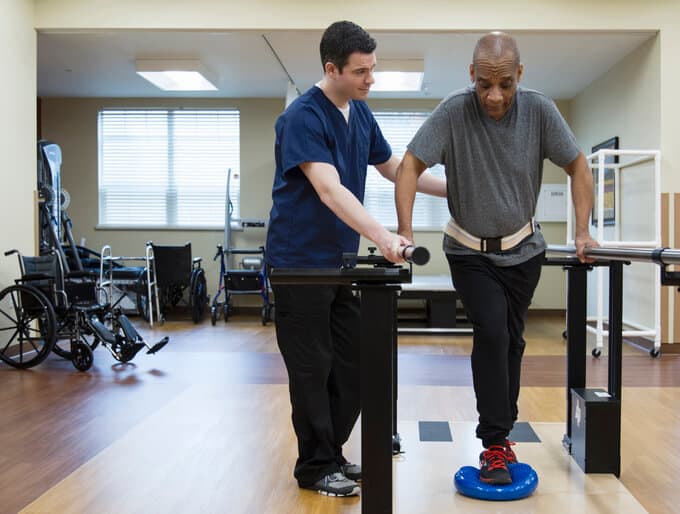 [hen-ui-text variant=”b4″ style=”font-size:small; font-style:italic;”]Andersen Ross Photography Inc / DigitalVision / Getty Images[/hen-ui-text][hen-ui-heading variant=”h2″]Where Do Rehabilitation Nurses Work?[/hen-ui-heading][hen-ui-text variant=”b4″]Rehabilitation nurses work in a variety of settings, including hospitals, inpatient and outpatient rehabilitation centers, community and home healthcare, and long-term care facilities. Listed below are the typical duties rehab nurses perform in some of these workplaces.[/hen-ui-text][hen-ui-heading variant=”h3″]Hospitals[/hen-ui-heading][hen-ui-text variant=”b4″]Nurses provide rehabilitation care and services, manage personnel and resources, and support research activity.[/hen-ui-text][hen-ui-heading variant=”h3″]Rehabilitation Centers[/hen-ui-heading][hen-ui-text variant=”b4″]Nurses educate patients and family, direct patient care, collaborate with clients, families, and the rehab team, and advocate for clients.[/hen-ui-text][hen-ui-heading variant=”h3″]Community and Home Health Facilities[/hen-ui-heading][hen-ui-text variant=”b4″]Nurses assess patients, create and implement goals and care plans, and work with the healthcare team.[/hen-ui-text][hen-ui-dynamic-experience placement=”belowTheFold” /][hen-ui-heading variant=”h2″]Why Become a Rehab Nurse?[/hen-ui-heading][hen-ui-text variant=”b4″]Like all [hen-ui-link href=”/articles/best-specialty-career-choices-for-nursing/”]nursing careers[/hen-ui-link], rehabilitation nursing offers rewards and challenges. The chart below outlines some of the pros and cons within the profession.[/hen-ui-text]
 [hen-ui-heading variant=”h3″ class=”py-4 my-0 text-center border-b md:pb-8 md:border-none”]You might be interested in[/hen-ui-heading] [hen-ui-article-layout ids=”76218,76212,76202″][/hen-ui-article-layout]
ADN or BSN required
certification optional
[hen-ui-text variant=”b4″]Rehabilitation nurses help patients with chronic illness and disabling injuries regain their independence. They collaborate with other healthcare professionals, including physical therapists, occupational therapists, psychiatrists, and speech therapists, regarding patient care.[/hen-ui-text][hen-ui-text variant=”b4″]Primary responsibilities include the following:[/hen-ui-text][hen-ui-heading variant=”h3″]Primary Responsibilities[/hen-ui-heading]
[hen-ui-list variant=”unordered” bullet-style=”bullet”] [hen-ui-list-item][hen-ui-text variant=”b4″]Direct patient care[/hen-ui-text][/hen-ui-list-item] [hen-ui-list-item][hen-ui-text variant=”b4″]Develop and implement learning resources and discharge plans[/hen-ui-text][/hen-ui-list-item] [hen-ui-list-item][hen-ui-text variant=”b4″]Coordinate nursing care in collaboration with team members[/hen-ui-text][/hen-ui-list-item] [hen-ui-list-item][hen-ui-text variant=”b4″]Serve as a resource and leader for nursing and healthcare staff[/hen-ui-text][/hen-ui-list-item] [hen-ui-list-item][hen-ui-text variant=”b4″]Facilitate community education about people with disabilities[/hen-ui-text][/hen-ui-list-item] [hen-ui-list-item][hen-ui-text variant=”b4″]Advocate at the legislative level[/hen-ui-text][/hen-ui-list-item][/hen-ui-list]
[hen-ui-heading variant=”h3″]Key Skills[/hen-ui-heading]
[hen-ui-list variant=”unordered” bullet-style=”bullet”] [hen-ui-list-item][hen-ui-text variant=”b4″]Client advocacy[/hen-ui-text][/hen-ui-list-item] [hen-ui-list-item][hen-ui-text variant=”b4″]Collaboration[/hen-ui-text][/hen-ui-list-item] [hen-ui-list-item][hen-ui-text variant=”b4″]Leadership[/hen-ui-text][/hen-ui-list-item] [hen-ui-list-item][hen-ui-text variant=”b4″]Research[/hen-ui-text][/hen-ui-list-item] [hen-ui-list-item][hen-ui-text variant=”b4″]Teaching skills[/hen-ui-text][/hen-ui-list-item][/hen-ui-list]
[hen-ui-text variant=”b4″ style=”font-size:small; font-style:italic;”]Andersen Ross Photography Inc / DigitalVision / Getty Images[/hen-ui-text][hen-ui-heading variant=”h3″]Advantages to Becoming a Rehab Nurse[/hen-ui-heading][hen-ui-separator /][hen-ui-list variant=”unordered” bullet-style=”bullet”] [hen-ui-list-item][hen-ui-text variant=”b4″]Opportunities to collaborate and work on teams of healthcare specialists, including occupational and physical therapists, social workers, primary physicians, mental health professionals, and [hen-ui-link href=”/nurse-practitioner/”]nurse practitioners[/hen-ui-link][/hen-ui-text][/hen-ui-list-item] [hen-ui-list-item][hen-ui-text variant=”b4″]Variety of workplace settings, including home healthcare, hospitals, long-term care facilities, rehabilitation centers, and community clinics[/hen-ui-text][/hen-ui-list-item] [hen-ui-list-item][hen-ui-text variant=”b4″]Helping patients to adapt to their illnesses and disabilities and regain their strength and independence[/hen-ui-text][/hen-ui-list-item] [hen-ui-list-item][hen-ui-text variant=”b4″]Potential career growth into advanced rehab nurse roles and [hen-ui-link href=”/resources//nursing-specialties-guide/”]specializations[/hen-ui-link], such as gerontology, pediatrics, and pain management[/hen-ui-text][/hen-ui-list-item][/hen-ui-list]
[hen-ui-heading variant=”h3″]Disadvantages to Becoming a Rehab Nurse[/hen-ui-heading][hen-ui-separator /][hen-ui-list variant=”unordered” bullet-style=”bullet”] [hen-ui-list-item][hen-ui-text variant=”b4″]Physically demanding work that can include heavy lifting and helping patients with mobility[/hen-ui-text][/hen-ui-list-item] [hen-ui-list-item][hen-ui-text variant=”b4″]Slower pace compared to other types of nursing, assisting patients who recover gradually and may experience smaller gains[/hen-ui-text][/hen-ui-list-item] [hen-ui-list-item][hen-ui-text variant=”b4″]Potentially stressful work when caring for newly diagnosed patients who may be upset, angry, or depressed, along with anxious family members[/hen-ui-text][/hen-ui-list-item] [hen-ui-list-item][hen-ui-text variant=”b4″]Career opportunities in advanced nursing and in some specializations may require 2-3 years of additional education and training[/hen-ui-text][/hen-ui-list-item][/hen-ui-list]
[hen-ui-heading variant=”h2″]How to Become a Rehabilitation Nurse[/hen-ui-heading][hen-ui-article-card title=”Learn More About How to Become a Rehabilitation Nurse” href=”/careers/rehabilitation-nurse/” size=”compact” border=”stroke”][/hen-ui-article-card][hen-ui-heading variant=”h2″]Rehabilitation Nursing: Advanced Practice vs. RN Roles[/hen-ui-heading][hen-ui-text variant=”b4″]Advanced practice registered nurses (APRNs) who specialize in rehabilitation and RN rehabilitation nurses share some overlapping duties, but [hen-ui-link href=”/careers/advanced-practice-nursing/”]APRN[/hen-ui-link]-level practitioners take on more supervisory, management, and research roles and responsibilities.[/hen-ui-text][hen-ui-grid columns-md=”2″ gap=”md”] [hen-ui-heading variant=”h3″]APRN Rehabilitation Nurse[/hen-ui-heading][hen-ui-separator /][hen-ui-list variant=”unordered” bullet-style=”bullet”] [hen-ui-list-item][hen-ui-text variant=”b4″][hen-ui-text tag=”strong” weight=”bold”]Consultant:[/hen-ui-text] Finds and coordinates cases, liaises with third-party payers and other healthcare professionals, and advocates for clients[/hen-ui-text][/hen-ui-list-item] [hen-ui-list-item][hen-ui-text variant=”b4″][hen-ui-text tag=”strong” weight=”bold”]Direct Care Provider:[/hen-ui-text] Manages patients, serves as a clinical expert, acts as a crisis intervention resource, collaborates with interdisciplinary teams, and implements cost-effective technologies[/hen-ui-text][/hen-ui-list-item] [hen-ui-list-item][hen-ui-text variant=”b4″][hen-ui-text tag=”strong” weight=”bold”]Manager: [/hen-ui-text]Hires, trains, and evaluates staff, formulates policies and procedures, collects and evaluates program data, and monitors and ensures safe and high-quality services[/hen-ui-text][/hen-ui-list-item] [hen-ui-list-item][hen-ui-text variant=”b4″][hen-ui-text tag=”strong” weight=”bold”]Researcher:[/hen-ui-text] Guides development of research-based nursing, conducts, shares, or contributes to research, and directs data evaluation[/hen-ui-text][/hen-ui-list-item][/hen-ui-list]
[hen-ui-heading variant=”h3″]RN Rehabilitation Nurse[/hen-ui-heading][hen-ui-separator /][hen-ui-list variant=”unordered” bullet-style=”bullet”] [hen-ui-list-item][hen-ui-text variant=”b4″][hen-ui-text tag=”strong” weight=”bold”]Caregiver:[/hen-ui-text] Assesses clients, develops and implements adaptable care plans, and evaluates and modifies care plans to achieve goals and objectives[/hen-ui-text][/hen-ui-list-item] [hen-ui-list-item][hen-ui-text variant=”b4″][hen-ui-text tag=”strong” weight=”bold”]Client Advocate:[/hen-ui-text] Listens to and guides clients and families, advocates at the policy level, helps clients achieve success when they return to work or school[/hen-ui-text][/hen-ui-list-item] [hen-ui-list-item][hen-ui-text variant=”b4″][hen-ui-text tag=”strong” weight=”bold”]Collaborator:[/hen-ui-text] Develops goals for clients, families, and rehabilitation teams, participates in conferences and meetings, and works with rehab team members[/hen-ui-text][/hen-ui-list-item] [hen-ui-list-item][hen-ui-text variant=”b4″][hen-ui-text tag=”strong” weight=”bold”]Teacher: [/hen-ui-text]Educates nurses, clients, and families about diseases and disabilities[/hen-ui-text][/hen-ui-list-item][/hen-ui-list]
[/hen-ui-grid][hen-ui-heading variant=”h2″]How Much Do Rehabilitation Nurses Make?[/hen-ui-heading][hen-ui-text variant=”b4″]According to Payscale, the average RN-level [hen-ui-link href=”https://www.payscale.com/research/US/Job=Registered_Nurse_(RN)/Hourly_Rate/0900c6b7/Rehabilitation” target=”_blank”]rehabilitation nurse salary[/hen-ui-link] totals $68,620 per year. Certification leads to increases in both salary and job opportunities, with the average [hen-ui-link href=”https://www.payscale.com/research/US/Certification=Certified_Rehabilitation_Registered_Nurse_(CRRN)/Salary” target=”_blank”]CRRN making $85,340[/hen-ui-link] annually — earnings that exceed the average pay for all RNs.[/hen-ui-text][hen-ui-text variant=”b4″]The U.S. Bureau of Labor Statistics projects a 7% increase in RN jobs from 2019-2029. By contrast, the projected change in employment for all occupations totals 4% for the same period. Demand for RNs should increase due to an aging population facing greater incidences of chronic illness and disabilities and who tend to seek care in either long-term residential facilities or their own homes.[/hen-ui-text][hen-ui-article-card title=”Find State-Specific Salary Data” href=”/registered-nursing/” size=”compact” border=”stroke”][/hen-ui-article-card][hen-ui-heading variant=”h2″]Frequently Asked Questions About Rehabilitation Nurses[/hen-ui-heading][hen-ui-separator /][hen-ui-heading variant=”h3″]What does a rehab nurse do?[/hen-ui-heading] [hen-ui-text variant=”b4″]Rehabilitation nurses care for patients with chronic illnesses and permanent or temporary disabilities and help them transition back into independent living. Rehab nurses work with patients and their family members and collaborate with interdisciplinary teams. Employment settings include hospitals, clinics, rehabilitation centers, residential facilities, and home healthcare.[/hen-ui-text] [hen-ui-heading variant=”h3″]What is the difference between a rehabilitation nurse and physical therapist?[/hen-ui-heading][hen-ui-text variant=”b4″]Rehabilitation nurses work on teams of medical professionals, including doctors, therapists, and mental healthcare providers, to help implement rehabilitation plans for patients with disabilities and long-term illnesses. An RN working in a rehab center, for instance, may be responsible for the patients’ medical needs such as caring for feeding tubes and catheters. Though physical therapists may work in teams with rehab nurses, physical therapists focus more on improving patients’ movement and mobility issues through therapy and prevention.[/hen-ui-text] [hen-ui-heading variant=”h3″]What is the role of a nurse in rehabilitation?[/hen-ui-heading] [hen-ui-text variant=”b4″]Rehab nurses take on a number of roles. RN-licensed rehabilitation nurses act as caregivers, collaborators, educators, and patient advocates. APRN-level practitioners also fill these roles but generally have more supervisory or management responsibility. MSN-holders in rehab nursing often serve as clinical experts, consultants, direct care providers, managers, researchers, and supervisors.[/hen-ui-text] [hen-ui-heading variant=”h3″]Can an RN become a physical therapist?[/hen-ui-heading][hen-ui-text variant=”b4″]RNs complete many of the prerequisites needed to become physical therapists in their ADN or BSN programs, but physical therapists must earn a doctorate in physical therapy, which requires 4-6 more years of study. RNs transitioning into a career in physical therapy also need to pass their state physical therapist licensure exam.[/hen-ui-text][hen-ui-heading variant=”h2″]Resources for Rehabilitation Nurses[/hen-ui-heading][hen-ui-list variant=”unordered” bullet-style=”check”] [hen-ui-list-item][hen-ui-heading variant=”h3″][hen-ui-link href=”https://rehabnurse.org/?cate-c5.html” target=”_blank”] Association of Rehabilitation Nurses[/hen-ui-link][/hen-ui-heading] In addition to conferring CRRN certification, ARN supports rehabilitation nursing with networking and educational resources, advocacy, and research. Member benefits include free continuing education, an online community, special interest groups, local chapters, volunteer opportunities, and publications. ARN offers memberships at the RN/CRRN and nonvoting affiliate levels.[/hen-ui-list-item] [hen-ui-list-item][hen-ui-heading variant=”h3″][hen-ui-link href=”https://www.nationalrehab.org/” target=”_blank”] The National Rehabilitation Association[/hen-ui-link][/hen-ui-heading] NRA advocates for individuals with disabilities and promotes ethical and collaborative rehabilitation practice. Its diverse membership includes professionals in rehabilitation healthcare, counseling, education, and research. NRA enrollment includes state chapter membership; students, new professionals, and retirees can join at discounted rates. Benefits include publications and an annual conference.[/hen-ui-list-item] [hen-ui-list-item][hen-ui-heading variant=”h3″] American Nurses Association[/hen-ui-heading] ANA offers specialty certifications in pain management, gerontology, ambulatory care, and other areas applicable to rehabilitation nursing through the American Nurses Credentialing Center. Membership benefits include resources in career advancement, professional development, networking, and advocacy for nurses in all specializations. National Student Nurses Association members can join ANA free of charge.[/hen-ui-list-item][/hen-ui-list][hen-ui-separator /][hen-ui-heading variant=”h2″]Related Pages[/hen-ui-heading] [hen-ui-article-row variant=”slider” ids=”34163,34153,33961,45267″][/hen-ui-article-row][hen-ui-separator /][hen-ui-heading variant=”h2″]Reviewed by:[/hen-ui-heading][hen-ui-flex direction=”column” gap=”lg”][hen-ui-expert-bio name=”Elizabeth Clarke, FNP, MSN, RN, MSSW” img-src=”https://res.cloudinary.com/highereducation/image/upload/v1/NurseJournal.org/Elizabeth.jpg?cld_params=e_grayscale?_a=BAMCcSOY0″ img-alt=”Elizabeth Clarke, FNP, MSN, RN, MSSW” layout=”horizontal” background=”white” /][hen-ui-text variant=”b4″ slot=”contentRight”]Elizabeth Clarke (Poon) is a board-certified family nurse practitioner who provides primary and urgent care to pediatric populations. She earned a BSN and MSN from the University of Miami.[/hen-ui-text] [hen-ui-text variant=”b4″ slot=”contentRight”]Clarke is a paid member of our Healthcare Review Partner Network. [hen-ui-link href=”/healthcare-review-partners//”]Learn more about our review partners[/hen-ui-link].[/hen-ui-text][/hen-ui-flex] [hen-ui-heading variant=”h3″ class=”py-4 my-0 text-center border-b md:pb-8 md:border-none”]You might be interested in[/hen-ui-heading] [hen-ui-article-layout ids=”76218,76212,76202″][/hen-ui-article-layout]