[hen-ui-dynamic-experience placement=”aboveTheFold” /]

 [hen-ui-heading variant=”h2″]Trauma Nurse Career in Brief[/hen-ui-heading]
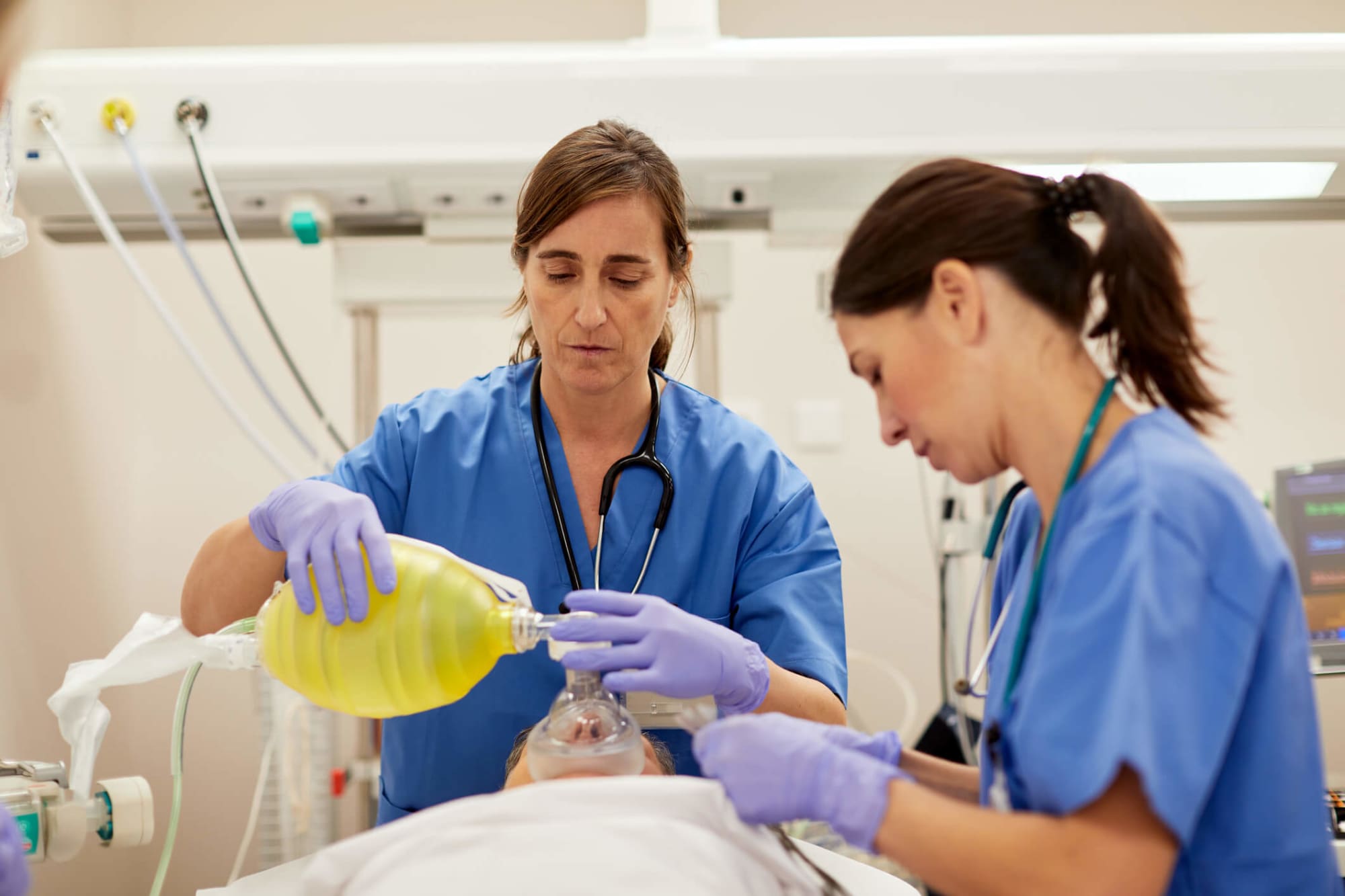 [hen-ui-text variant=”b4″ style=”font-size:small; font-style:italic;”]Tempura / E+ / Getty Images[/hen-ui-text][hen-ui-heading variant=”h2″]Where Do Trauma Nurses Work?[/hen-ui-heading][hen-ui-text variant=”b4″]Most trauma nurses work in emergency departments or emergency rooms (ERs), intensive care, or trauma units within hospitals. Some work in specific critical care divisions, such as cardiac, medical/surgical, and burn units. They might also be a part of a paramedic or emergency response team, including air and surface transport.[/hen-ui-text][hen-ui-heading variant=”h3″]Emergency Departments[/hen-ui-heading][hen-ui-text variant=”b4″]Trauma nurses in emergency departments work within a team of first responders when patients arrive with critical injuries or illnesses. They assist with diagnosis and treatment, including providing CPR and basic life support, assist physicians and surgeons, and communicate with patients and families. They also triage individuals to prioritize care when multiple patients arrive simultaneously.[/hen-ui-text][hen-ui-heading variant=”h3″]U.S. Air Force[/hen-ui-heading][hen-ui-text variant=”b4″]Trauma nurses [hen-ui-link href=”https://www.airforce.com/careers/detail/emergency-trauma-nurse” target=”_blank”]in the U.S. Air Force[/hen-ui-link] care for critically injured patients in active military settings. They may provide treatment to save a person’s limbs, stabilize and resuscitate patients, and make medical decisions that allow patients to return home after severe injury or illness.[/hen-ui-text][hen-ui-heading variant=”h3″]Trauma Centers[/hen-ui-heading][hen-ui-text variant=”b4″]Trauma centers are a part of a hospital’s emergency department typically reserved for the most life-threatening injuries, such as car accidents, severe burns, or gunshot wounds. Unlike an emergency room, which is equipped to handle cardiac and respiratory events, trauma centers are reserved for traumatic injuries.[/hen-ui-text][hen-ui-heading variant=”h2″]Why Become a Trauma Nurse?[/hen-ui-heading][hen-ui-text variant=”b4″]Trauma nurses who thrive in this position can remain calm in high-stress situations and are prepared on the front lines of intense healthcare emergencies. If you think you may wish to pursue this career, consider the following advantages and disadvantages to becoming a trauma nurse.[/hen-ui-text][hen-ui-grid columns-md=”2″ gap=”md”]
  [hen-ui-heading variant=”h3″ class=”py-4 my-0 text-center border-b md:pb-8 md:border-none”]You might be interested in[/hen-ui-heading] [hen-ui-article-layout ids=”76218,76212,76202″][/hen-ui-article-layout]
BSN, ADN, or nursing diploma required
certification optional
[hen-ui-text variant=”b4″]Trauma nurses stand on the front lines of emergency care, serving as first responders to critically injured patients. They work closely with emergency department physicians, trauma surgeons, and transport teams to stabilize patients and save lives.[/hen-ui-text][hen-ui-heading variant=”h3″]Primary Responsibilities[/hen-ui-heading][hen-ui-list variant=”unordered” bullet-style=”bullet”] [hen-ui-list-item][hen-ui-text variant=”b4″]Deliver emergency medical care as needed[/hen-ui-text][/hen-ui-list-item] [hen-ui-list-item][hen-ui-text variant=”b4″]Triage patients to prioritize the most severe and/or life-threatening injuries[/hen-ui-text][/hen-ui-list-item] [hen-ui-list-item][hen-ui-text variant=”b4″]Assist in running codes (such as advanced life support)[/hen-ui-text][/hen-ui-list-item] [hen-ui-list-item][hen-ui-text variant=”b4″]Administer medications and intravenous fluids[/hen-ui-text][/hen-ui-list-item] [hen-ui-list-item][hen-ui-text variant=”b4″]Provide wound care[/hen-ui-text][/hen-ui-list-item] [hen-ui-list-item][hen-ui-text variant=”b4″]Maintain communication among doctors, other healthcare professionals, and families and/or law enforcement[/hen-ui-text][/hen-ui-list-item] [hen-ui-list-item][hen-ui-text variant=”b4″]Distribute resources and arrange access to services as needed[/hen-ui-text][/hen-ui-list-item][/hen-ui-list]
[hen-ui-heading variant=”h3″]Key Skills[/hen-ui-heading][hen-ui-list variant=”unordered” bullet-style=”bullet”] [hen-ui-list-item][hen-ui-text variant=”b4″]General nursing knowledge[/hen-ui-text][/hen-ui-list-item] [hen-ui-list-item][hen-ui-text variant=”b4″]Decision-making[/hen-ui-text][/hen-ui-list-item] [hen-ui-list-item][hen-ui-text variant=”b4″]Multitasking[/hen-ui-text][/hen-ui-list-item] [hen-ui-list-item][hen-ui-text variant=”b4″]Communication[/hen-ui-text][/hen-ui-list-item] [hen-ui-list-item][hen-ui-text variant=”b4″]Maintaining a calm demeanor during busy and constantly evolving situations[/hen-ui-text][/hen-ui-list-item][/hen-ui-list]
[hen-ui-text variant=”b4″ style=”font-size:small; font-style:italic;”]Tempura / E+ / Getty Images[/hen-ui-text][hen-ui-heading variant=”h3″]Advantages to Becoming a Trauma Nurse[/hen-ui-heading][hen-ui-separator /][hen-ui-list variant=”unordered” bullet-style=”bullet”] [hen-ui-list-item][hen-ui-text variant=”b4″]Providing vital, life-saving care to patients who need it the most[/hen-ui-text][/hen-ui-list-item] [hen-ui-list-item][hen-ui-text variant=”b4″]Fast-paced, challenging work environment[/hen-ui-text][/hen-ui-list-item] [hen-ui-list-item][hen-ui-text variant=”b4″]Higher-than-average pay[/hen-ui-text][/hen-ui-list-item] [hen-ui-list-item][hen-ui-text variant=”b4″]Varied work settings, including hospitals and the military[/hen-ui-text][/hen-ui-list-item][/hen-ui-list]
[hen-ui-heading variant=”h3″]Disadvantages to Becoming a Trauma Nurse[/hen-ui-heading][hen-ui-separator /][hen-ui-list variant=”unordered” bullet-style=”bullet”] [hen-ui-list-item][hen-ui-text variant=”b4″]Work environment can be chaotic and stressful[/hen-ui-text][/hen-ui-list-item] [hen-ui-list-item][hen-ui-text variant=”b4″]Emotionally challenging at times[/hen-ui-text][/hen-ui-list-item] [hen-ui-list-item][hen-ui-text variant=”b4″]Higher burnout rate due to the high-stress environment and treating traumatic injuries[/hen-ui-text][/hen-ui-list-item][/hen-ui-list]
[/hen-ui-grid][hen-ui-dynamic-experience placement=”belowTheFold” /][hen-ui-heading variant=”h2″]How to Become a Trauma Nurse[/hen-ui-heading][hen-ui-heading variant=”h2″]Certification Options for Trauma Nurses[/hen-ui-heading][hen-ui-list variant=”unordered” bullet-style=”check”] [hen-ui-list-item][hen-ui-heading variant=”h3″][hen-ui-link href=”https://www.traumanurses.org/587-tcrn-certification” target=”_blank”] Trauma Certified Registered Nurse[/hen-ui-link][/hen-ui-heading] Issued by the Board of Certification for Emergency Nursing (BCEN), TCRN is an exam-based credential for licensed nurses with at least two years of experience. Certified individuals demonstrate the skills and knowledge required to offer quality patient care.[/hen-ui-list-item] [hen-ui-list-item][hen-ui-heading variant=”h3″] Basic Life Support Certification[/hen-ui-heading] The American Red Cross offers this credential for candidates who complete training courses in CPR and basic cardiovascular life support skills.[/hen-ui-list-item] [hen-ui-list-item][hen-ui-heading variant=”h3″] Advanced Life Support Certification[/hen-ui-heading] Trauma nurses who provide care during cardiac emergencies can earn this Red Cross certification indicating their skills in cardiac and respiratory arrest management.[/hen-ui-list-item] [hen-ui-list-item][hen-ui-heading variant=”h3″][hen-ui-link href=”https://www.ena.org/education/tncc” target=”_blank”] Trauma Nursing Core Course Certification[/hen-ui-link][/hen-ui-heading] This continuing education course grants a four-year TNCC provider designation. The course improves trauma nursing care skills through hands-on study in the latest practice recommendations, injury identification and assessment, and care applications.[/hen-ui-list-item] [hen-ui-list-item][hen-ui-heading variant=”h3″][hen-ui-link href=”https://www.ena.org/education/enpc” target=”_blank”] Emergency Nursing Pediatric Course Certification[/hen-ui-link][/hen-ui-heading] A continuing education program that leads to a four-year certification as an ENPC provider, the course explores pediatric emergency nurses practices. Lectures emphasize issues related to child emergencies, such as food allergies and human trafficking.[/hen-ui-list-item][/hen-ui-list][hen-ui-heading variant=”h2″]How Much Do Trauma Nurses Make?[/hen-ui-heading][hen-ui-text variant=”b4″]Trauma nurses earn slightly more than other RNs. According to PayScale, a TNCC nurse earns an average salary [hen-ui-link href=”https://www.payscale.com/research/US/Certification=Trauma_Nursing_Course_Certified_(TNCC)/Salary/Page-2″ target=”_blank”]of $83,260[/hen-ui-link].[/hen-ui-text][hen-ui-text variant=”b4″]In general, earning certifications can increase pay significantly. A [hen-ui-link href=”https://bcen.org/wp-content/uploads/2018/09/2017-BCEN-Value-of-Certification-Study-PPT.pdf” target=”_blank”]2017 BCEN survey[/hen-ui-link] revealed that nurses with the certified emergency nurse credential earn roughly $1,400 more per year than those without the designation. These nurses also report higher levels of confidence in their work and satisfaction with their career achievements.[/hen-ui-text][hen-ui-text variant=”b4″]Overall, demand for RNs is strong, including a wealth of job opportunities for trauma nurses. An aging U.S. population with increasingly complex medical needs drives a growing demand for healthcare services and emergency needs.[/hen-ui-text][hen-ui-text variant=”b4″]U.S. Bureau of Labor Statistics projections (BLS) indicate that employment levels for nurses should increase by 7% from 2019-29, which is faster than average for all occupations combined.[/hen-ui-text][hen-ui-article-card title=”Find State-Specific Salary Data” href=”/registered-nursing/” size=”compact” border=”stroke”][/hen-ui-article-card][hen-ui-heading variant=”h2″]Frequently Asked Questions[/hen-ui-heading][hen-ui-separator /][hen-ui-heading variant=”h3″]How much schooling do you need to be an ER nurse?[/hen-ui-heading] [hen-ui-text variant=”b4″]Prospective trauma nurses must earn an RN license after completing a diploma, associate-, or bachelor’s-level program that prepares candidates to take the NCLEX-RN exam. Trauma nurses should also be certified in basic life support, advanced cardiac life support, and pediatric life support. Most employers, however, require trauma nurses to be TCRNs. This credential requires two years of experience, an additional 20-30 hours of classroom training, and passing an exam.[/hen-ui-text] [hen-ui-heading variant=”h3″]How much does a trauma nurse make in a year?[/hen-ui-heading][hen-ui-text variant=”b4″]The BLS reports a median annual wage of $75,330 for nurses. According to PayScale, the [hen-ui-link href=”https://www.payscale.com/research/US/Certification=Trauma_Nursing_Course_Certified_(TNCC)/Salary/Page-2″ target=”_blank”]average salary[/hen-ui-link] of a trauma nurse is $83,260. Becoming certified can increase compensation.[/hen-ui-text] [hen-ui-heading variant=”h3″]Can trauma nurses intubate?[/hen-ui-heading] [hen-ui-text variant=”b4″]It depends. In every state, nurses are guided by a scope of practice that dictates their practices and duties. Some states allow trauma nurses to intubate patients if they have received the appropriate training and/or the hospital or facility maintains a written policy relating to intubation. In some cases, intubation is an expected skill. The Air and Surface Transport Nurses Association considers intubation a standard of practice in that field.[/hen-ui-text] [hen-ui-heading variant=”h3″]What is a trauma nurse’s role?[/hen-ui-heading][hen-ui-text variant=”b4″]Trauma nurses provide triage, diagnosis, and care for patients with critical injuries and illnesses. They provide immediate emergency care including CPR and first aid, prepare patients for surgical procedures, and assist in emergency surgical procedures. They also serve as liaisons between physicians and families and, when needed, law enforcement.[/hen-ui-text][hen-ui-heading variant=”h2″]Resources for Trauma Nurses[/hen-ui-heading][hen-ui-list variant=”unordered” bullet-style=”check”] [hen-ui-list-item][hen-ui-heading variant=”h3″][hen-ui-link href=”https://www.traumanurses.org” target=”_blank”] Society of Trauma Nurses[/hen-ui-link][/hen-ui-heading] STN is an international professional organization dedicated to ensuring the best quality trauma care for all. They accomplish this through education, certification, mentorship programs, and fostering collaboration with other healthcare disciplines. Membership is open to both RNs and nursing students and includes opportunities for professional development, networking, and discounts. STN also offers a career center with an active job board.[/hen-ui-list-item] [hen-ui-list-item][hen-ui-heading variant=”h3″][hen-ui-link href=”https://www.ena.org/” target=”_blank”] Emergency Nurses Association[/hen-ui-link][/hen-ui-heading] ENA is dedicated to advancing excellence in the field of emergency nursing. The organization issues clinical practice guidelines and provides continuing education courses to help improve patient outcomes and advance nurse careers. The association hosts an annual conference, publishes the Journal of Emergency Nursing, and provides extensive networking opportunities and discounts.[/hen-ui-list-item] [hen-ui-list-item][hen-ui-heading variant=”h3″][hen-ui-link href=”http://www.amtrauma.org/” target=”_blank”] American Trauma Society[/hen-ui-link][/hen-ui-heading] Open to both individuals and organizations, the American Trauma Society provides resources and professional development activities for healthcare professionals who want to further their careers in emergency medicine and trauma response. Members enjoy access to networking resources and an exclusive job board.[/hen-ui-list-item][/hen-ui-list][hen-ui-separator /][hen-ui-heading variant=”h2″]Related Pages[/hen-ui-heading] [hen-ui-article-row variant=”slider” ids=”34163,34153,33961,45267″][/hen-ui-article-row][hen-ui-separator /][hen-ui-heading variant=”h2″]Reviewed by:[/hen-ui-heading][hen-ui-flex direction=”column” gap=”lg”][hen-ui-expert-bio name=”Elizabeth Clarke, FNP, MSN, RN, MSSW” img-src=”https://res.cloudinary.com/highereducation/image/upload/c_fill,h_200,w_200,f_auto,fl_lossy,q_auto:eco/e_grayscale/v1616020353/NurseJournal.org/Elizabeth_Clarke-1.jpg” img-alt=”Elizabeth Clarke, FNP, MSN, RN, MSSW” layout=”horizontal” background=”white” /][hen-ui-text variant=”b4″ slot=”contentRight”]Elizabeth Clarke (Poon) is a board-certified family nurse practitioner who provides primary and urgent care to pediatric populations. She earned a BSN and MSN from the University of Miami.[/hen-ui-text] [hen-ui-text variant=”b4″ slot=”contentRight”]Clarke is a paid member of our Healthcare Review Partner Network. [hen-ui-link href=”/healthcare-review-partners//”]Learn more about our review partners[/hen-ui-link].[/hen-ui-text][/hen-ui-flex] [hen-ui-heading variant=”h3″ class=”py-4 my-0 text-center border-b md:pb-8 md:border-none”]You might be interested in[/hen-ui-heading] [hen-ui-article-layout ids=”76218,76212,76202″][/hen-ui-article-layout]