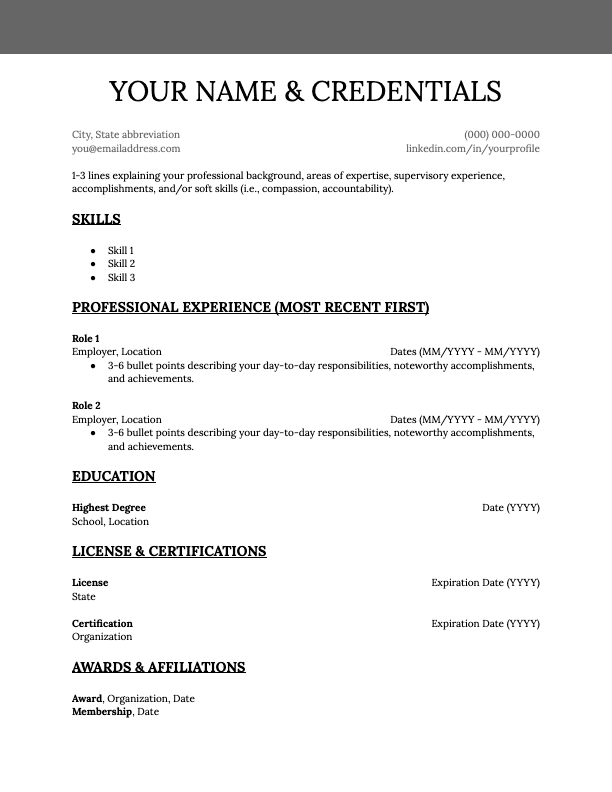
[hen-ui-dynamic-experience placement=”aboveTheFold” /][hen-ui-text variant=”b4″]Even with nurses in high demand, you still need a [hen-ui-link href=”/resources//nursing-resume-guide/”]great nursing resume[/hen-ui-link] to stand out from other applicants. A strong resume conveys your skills and experience and how they fit an employer’s needs.[/hen-ui-text][hen-ui-text variant=”b4″]Learn to make the best possible impression through this collection of resume writing tips for nurses.[/hen-ui-text][hen-ui-heading variant=”h2″]6 Resume Writing Tips for Nurses[/hen-ui-heading][hen-ui-text variant=”b4″]These tips on writing a powerful nursing resume can help you stand out in a crowded pool of applicants. Recruiters spend [hen-ui-link href=”https://www.hrdive.com/news/eye-tracking-study-shows-recruiters-look-at-resumes-for-7-seconds/541582/” target=”_blank”]an average of seven seconds[/hen-ui-link] on each resume, and you can make those seconds count for you.[/hen-ui-text][hen-ui-heading variant=”h3″]1. Tailor Your Resume[/hen-ui-heading][hen-ui-text variant=”b4″]Writing an effective nursing resume requires taking your prospective employer’s applicant requirements into careful consideration. Every hospital operates with its own culture and philosophy. Consult the organization’s website and social media presence to get an idea of what their goals and points of emphasis are. This shows the employer you understand their workplace and will allow you to communicate how you can help them achieve their goals.[/hen-ui-text][hen-ui-heading variant=”h3″]2. Be Specific[/hen-ui-heading][hen-ui-text variant=”b4″]Specificity can boost a resume. For example, while both positions require a great deal of stamina, a nursing home nurse does not fulfill the same responsibilities as an urgent care nurse. By framing professional experience through a personal lens, your resume stands out among the others.[/hen-ui-text][hen-ui-text variant=”b4″]What conditions or diseases do you treat? What types of medication can you administer and how? How about types of therapy and equipment you specialize in?[/hen-ui-text][hen-ui-text variant=”b4″]When describing duties, use action verbs (supervised, administered, collaborated) and positive adjectives (resilient, compassionate, observant) that reflect your dedication to patient care and organizational success. Quantify your impact by describing how you improved patient outcomes or organizational efficiency.[/hen-ui-text][hen-ui-heading variant=”h3″]3. Save Your Resume Under a Professional Name[/hen-ui-heading][hen-ui-text variant=”b4″]Remember that useful specificity is the goal. Instead of attaching a vaguely titled document, name your nursing resume so that employers can easily distinguish and retrieve it, such as “Firstlast_specialty_resume.doc.” Be sure to check your document’s metadata and edit it appropriately.[/hen-ui-text][hen-ui-heading variant=”h3″]4. Make It Easy to Read[/hen-ui-heading][hen-ui-text variant=”b4″]Although interesting fonts and attractive colors can make a nursing resume appear more interesting, they can also detract from the information. Employers may also perceive excessive formatting as an overcompensation for lack of qualifications.[/hen-ui-text][hen-ui-text variant=”b4″]You should strive for accessibility through logical placement and uniformity. Start with the most important information and make it the most conspicuous.[/hen-ui-text][hen-ui-heading variant=”h3″]5. Include a Cover Letter[/hen-ui-heading][hen-ui-text variant=”b4″]Employers recognize you cannot fit all your credentials and qualifications into a resume without it becoming incomprehensible. A [hen-ui-link href=”/resources//how-to-write-a-nursing-cover-letter/”]cover letter[/hen-ui-link] offers you the chance to discuss your skills and achievements in greater detail. This is also a good place to describe how you would be a good cultural fit with the organization.[/hen-ui-text][hen-ui-heading variant=”h3″]6. Keep It to One Page[/hen-ui-heading][hen-ui-text variant=”b4″]Nurses, particularly those with less than 10 years of relevant professional experience, do not need more than one page to respond to a job listing. Abstain from wordiness, relying instead on economical usage of resume structure, including margin manipulations and concise usage of action-oriented descriptions.[/hen-ui-text][hen-ui-text variant=”b4″]These tips can help make your nursing resume easy to read, especially for a busy recruiter. As you take these resume writing tips into account, be sure to avoid common mistakes.[/hen-ui-text]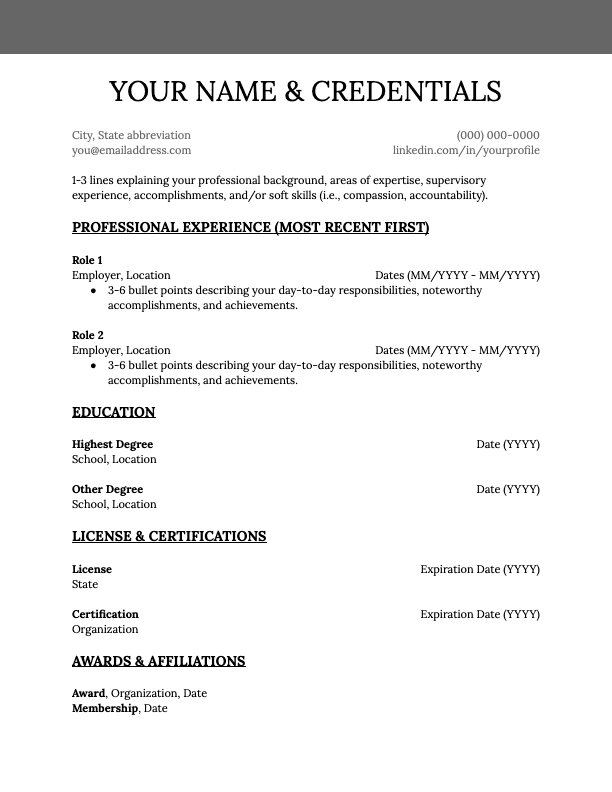 [hen-ui-separator /][hen-ui-heading variant=”h3″]Combination Resume[/hen-ui-heading][hen-ui-text variant=”b4″]This [hen-ui-link href=”https://zety.com/blog/new-grad-nursing-resume-example” target=”_blank”]combination nursing resume[/hen-ui-link] for a new nurse starts by listing skills and credentials so that the employer first sees how your training has prepared you. This method clarifies that you have some nursing experience, but allows the employer to first see your skill sets.[/hen-ui-text][hen-ui-heading variant=”h4″ style=”font-weight:bold; text-align:center;”]Combination Resume Example[/hen-ui-heading]
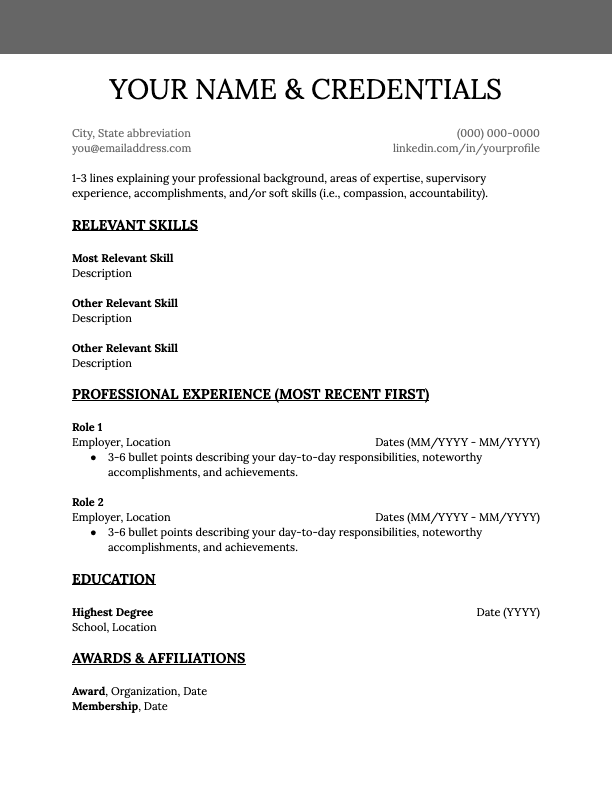
 [hen-ui-separator /][hen-ui-heading variant=”h3″]Functional Resume[/hen-ui-heading][hen-ui-text variant=”b4″]This [hen-ui-link href=”https://zety.com/blog/cna-resume-example” target=”_blank”]guide to writing a CNA resume[/hen-ui-link] provides examples of the types of skills you can use for a functional resume. This is especially valuable if your most recent position isn’t a good match for the one you’re applying for. Similarly, if you’ve worked multiple positions in a short period of time (for example, as a [hen-ui-link href=”/careers/travel-nurse/how-to-become/”]travel nurse[/hen-ui-link]), listing each individual position you’ve recently held would take up space without showing your value as well as a cumulative list of your skills would.[/hen-ui-text][hen-ui-heading variant=”h4″ style=”font-weight:bold; text-align:center;”]Functional Resume Example[/hen-ui-heading]
 [hen-ui-separator /][hen-ui-text variant=”b4″ style=”font-size:small; font-style:italic;”]Featured Image: opolja / iStock / Getty Images Plus[/hen-ui-text][hen-ui-heading variant=”h2″]Related Resources[/hen-ui-heading] [hen-ui-article-row variant=”slider” ids=”33926,37095,33944,37090″][/hen-ui-article-row]
  [hen-ui-heading variant=”h3″ class=”py-4 my-0 text-center border-b md:pb-8 md:border-none”]You might be interested in[/hen-ui-heading] [hen-ui-article-layout ids=”76218,76212,76202″][/hen-ui-article-layout]
[hen-ui-heading variant=”h2″]Common Mistakes Nurses Make on Their Resumes[/hen-ui-heading][hen-ui-text variant=”b4″ class=”font-heading”]Because nursing requires attention to detail, mistakes on a nursing resume can leave a bad first impression. The following list includes some of these oversights.[/hen-ui-text][hen-ui-list variant=”unordered” bullet-style=”bullet”] [hen-ui-list-item][hen-ui-text variant=”b4″][hen-ui-text tag=”strong” weight=”bold”]Typos:[/hen-ui-text] Easy to fix but often overlooked, these mistakes can cost you an interview. Most employers see typos as a candidate’s lack of professionalism and competency. Edit your writing for errors and inconsistencies. Don’t rely solely on an online spell-checker, since many only flag misspelled words, not if the word is misused.[/hen-ui-text][/hen-ui-list-item] [hen-ui-list-item][hen-ui-text variant=”b4″][hen-ui-text tag=”strong” weight=”bold”]Including Personal Information:[/hen-ui-text] Include your full name, phone number, and professional email. You do not need to supply a home address, city, state, or country. Presenting a nursing licensure type and number from the start helps employers differentiate you from unqualified candidates.[/hen-ui-text][/hen-ui-list-item] [hen-ui-list-item][hen-ui-text variant=”b4″][hen-ui-text tag=”strong” weight=”bold”]Including Salary Information:[/hen-ui-text] Unless the employer penalizes former salary omission, do not include a salary. This may distract from your qualifications and impede you during the interview and subsequent negotiations. If pushed, speak in terms of benefits and professional goals, ensuring the employer that you are flexible in your expectations.[/hen-ui-text][/hen-ui-list-item] [hen-ui-list-item][hen-ui-text variant=”b4″][hen-ui-text tag=”strong” weight=”bold”]Using Nicknames:[/hen-ui-text] Standard usage allows the shortened version of a name (Bill instead of William) or a middle name as a first name as long as you are consistent, especially if this nickname appears on official documents, such as state identification.[/hen-ui-text][/hen-ui-list-item] [hen-ui-list-item][hen-ui-text variant=”b4″][hen-ui-text tag=”strong” weight=”bold”]Using an Unprofessional Email Address:[/hen-ui-text] While a Gmail address with a variation on “firstname.lastname” is marginally acceptable, some employers still see it as unprofessional. You can easily avoid this misstep by applying for your own domain name.[/hen-ui-text][/hen-ui-list-item] [hen-ui-list-item][hen-ui-text variant=”b4″][hen-ui-text tag=”strong” weight=”bold”]First Person Pronouns:[/hen-ui-text] Do not waste valuable resume space by repeating “I.” The reader understands you speak through the narrative voice, so first person pronouns are redundant. Structure your sentences in declarative, action-oriented statements that reflect your professional character and achievements.[/hen-ui-text][/hen-ui-list-item] [hen-ui-list-item][hen-ui-text variant=”b4″][hen-ui-text tag=”strong” weight=”bold”]Unprofessional Voicemail:[/hen-ui-text] An effective voicemail must be concise (under 25 seconds) and courteous in tone. Besides your name and a welcome statement, let the caller know when they can expect a response from you.[/hen-ui-text][/hen-ui-list-item] [hen-ui-list-item][hen-ui-text variant=”b4″][hen-ui-text tag=”strong” weight=”bold”]Check Your Social Media Presence[/hen-ui-text]: Employers check social media and anything that suggests that you might have questionable personal judgment can be a red flag. Avoid references to heavy drinking, partying, or ever mentioning patients negatively.[/hen-ui-text][/hen-ui-list-item][/hen-ui-list]
[hen-ui-heading variant=”h2″]Examples of Nursing Resumes[/hen-ui-heading][hen-ui-text variant=”b4″]Nursing resumes are typically chronological, functional, or a combination of the two. Which type you pick should depend on the job and the format that best demonstrates your skill set. For your first job, a functional or combination resume that lists your skills will likely be most effective, while chronological or combination resumes are better suited for jobs requiring experience.[/hen-ui-text][hen-ui-heading variant=”h3″]Reverse Chronological Resume[/hen-ui-heading][hen-ui-text variant=”b4″]A reverse [hen-ui-link href=”https://zety.com/blog/chronological-resume” target=”_blank”]chronological resume[/hen-ui-link] usually lists your most recent job first. If your most recent job is not relevant, then a functional resume may be better. This [hen-ui-link href=”https://zety.com/blog/nurse-manager-resume-example” target=”_blank”]reverse chronological example for a nurse manager[/hen-ui-link] position shows both that the applicant holds the desired experience and that the applicant achieved important objectives. Similarly, this [hen-ui-link href=”https://zety.com/blog/er-nurse-resume-example” target=”_blank”]ER reverse chronological nursing resume[/hen-ui-link] example uses the kinds of key terms an automated review system may recognize.[/hen-ui-text][hen-ui-heading variant=”h4″ style=”font-weight:bold; text-align:center;”]Reverse Chronological Resume Example[/hen-ui-heading][hen-ui-separator /][hen-ui-heading variant=”h3″]Combination Resume[/hen-ui-heading][hen-ui-text variant=”b4″]This [hen-ui-link href=”https://zety.com/blog/new-grad-nursing-resume-example” target=”_blank”]combination nursing resume[/hen-ui-link] for a new nurse starts by listing skills and credentials so that the employer first sees how your training has prepared you. This method clarifies that you have some nursing experience, but allows the employer to first see your skill sets.[/hen-ui-text][hen-ui-heading variant=”h4″ style=”font-weight:bold; text-align:center;”]Combination Resume Example[/hen-ui-heading][hen-ui-separator /][hen-ui-heading variant=”h3″]Functional Resume[/hen-ui-heading][hen-ui-text variant=”b4″]This [hen-ui-link href=”https://zety.com/blog/cna-resume-example” target=”_blank”]guide to writing a CNA resume[/hen-ui-link] provides examples of the types of skills you can use for a functional resume. This is especially valuable if your most recent position isn’t a good match for the one you’re applying for. Similarly, if you’ve worked multiple positions in a short period of time (for example, as a [hen-ui-link href=”/careers/travel-nurse/how-to-become/”]travel nurse[/hen-ui-link]), listing each individual position you’ve recently held would take up space without showing your value as well as a cumulative list of your skills would.[/hen-ui-text][hen-ui-heading variant=”h4″ style=”font-weight:bold; text-align:center;”]Functional Resume Example[/hen-ui-heading][hen-ui-separator /][hen-ui-text variant=”b4″ style=”font-size:small; font-style:italic;”]Featured Image: opolja / iStock / Getty Images Plus[/hen-ui-text][hen-ui-heading variant=”h2″]Related Resources[/hen-ui-heading] [hen-ui-article-row variant=”slider” ids=”33926,37095,33944,37090″][/hen-ui-article-row] [hen-ui-heading variant=”h3″ class=”py-4 my-0 text-center border-b md:pb-8 md:border-none”]You might be interested in[/hen-ui-heading] [hen-ui-article-layout ids=”76218,76212,76202″][/hen-ui-article-layout]